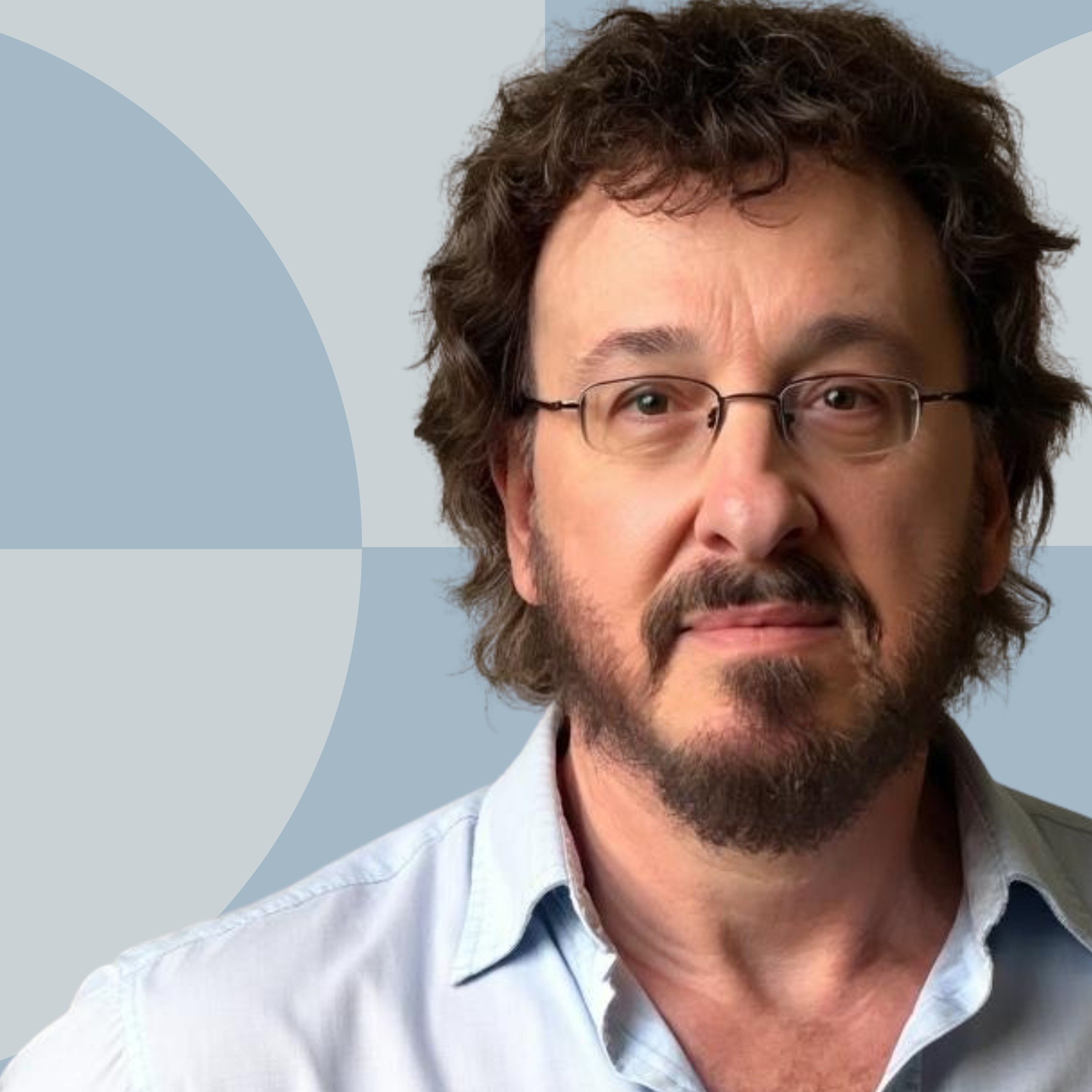
 Frank Gaimari
Few independent artists have built a career as varied, consistent, and emotionally candid as Rachael Sage. The New York City–based singer-songwriter has spent years crafting music that blends intimacy with conviction, earning a devoted audience with songs that are at once vulnerable, resilient, and unmistakably her own.
Her longevity becomes easier to understand when you look at the body of work behind it. Sage has received six Independent Music Awards, won the Grand Prize at the John Lennon Songwriting Contest, and performed at major festivals like SXSW and the Edinburgh Fringe. Her international tours have taken her from Japan to Berlin, sharing stages with renowned artists such as Rufus Wainwright, Ani DiFranco, and Judy Collins.
This fall, Sage releases Under My Canopy, an acoustic reimagining of her well-received album Canopy. Rather than simply repackaging the originals, she has rebuilt them from the ground up. With fresh acoustic instrumentation and stripped-back arrangements, the songs take on a more intimate tone — reflective, sometimes mournful, but ultimately hopeful.
Eager to learn more, I contacted Rachael and asked her a few questions I thought her dedicated followers would appreciate. Here’s our conversation.
Frank Gaimari: Your new album, Under My Canopy, arrives on Oct. 9. What are you most proud of when you look back on making it?
Rachael Sage: I believe that creating and sharing new music is an incredible gift and a meaningful opportunity to uplift others and foster a sense of community through art. I am truly excited about this as my primary goal.
After extensive touring last year, we had a wonderful time revisiting this material with a more stripped-down, acoustic approach. It is always gratifying to distill songs to their essential elements and to realize that they still stand strong as melodies and lyrics, even without elaborate instrumentation.
FG: How do you find the strength to perform “Nexus” night after night, and what message do you hope the audience takes away from it?
RS: “Nexus” is not my personal story but rather a tribute to Nex Benedict and their family — an effort to honor their life through shared grief and resolve. Admittedly, it is a difficult song to sing, but I always remind myself that I have the privilege of a microphone and an audience.
More than anything, it feels like a rallying cry: to keep moving forward, to stand up for one another even when it takes courage, and to never turn a blind eye when we witness others being bullied or mistreated.

FG: Your music clearly means a lot to LGBTQ+ listeners. How has your own life shaped the way you write for and connect with that community?
RS: First, it’s always incredibly inspiring to me to know that LGBTQ+ listeners are connecting so deeply with my work. I came out as Bisexual when I was 24, and I’ve never shied away from writing romantic or other types of songs about loving both men and women.
I find it a bit ironic that I ended up being attracted to women, given that I was severely bullied by other girls at a young age. But the heart wants what the heart wants — and I suppose I am a good example of how to work through early trauma using art and music, ultimately allowing me to celebrate all parts of myself. These experiences have helped me create a wildly adventurous, fulfilling, and empathetic life.
FG: You’ve shared the stage with Rufus Wainwright, Ani DiFranco, and Judy Collins — people who have always done things their own way. Has being around any of them changed how you think about your own path?
RS: I used to try to pander a bit to the audiences of these different headliners. I thought, “Okay, this crowd likes upbeat guitar grooves,” or “This crowd enjoys folk storytelling,” and I probably overthought it a bit when I was starting out. But that’s understandable, because I didn’t yet have enough experience to realize that an audience doesn’t want you to try to be like someone else — they want you to be you, as confidently and committedly as possible.
Nowadays, I just go out there and do my thing, try to play the very best, most impactful material I have, and lean on my very talented bandmates. We know that if we’re really “in” the moment and listening to each other generously, that ineffable, magical thing can happen — when the music becomes bigger than us, and we’re truly in service to it and, of course, to the audience.
Also, preparation is key. A little rehearsal, along with meditating and vocal warmups, goes a very long way. It’s no different from being an athlete, and Judy Collins and Howard Jones both taught me a lot about that — they’re so incredibly disciplined!
FG: What do you love about playing small venues? Is there something you can do in a room like that which just doesn’t work on a bigger stage?
RS: In a small room, the audience really becomes another member of the band in a unique way. If someone coughs or drops a glass — it happens! — I’m all about embracing those moments and making some kind of comedy schtick out of them if it works.
Of course, a sing-along in a small venue is a whole other ballgame — you can hear individual voices singing and sometimes harmonizing, or people clapping or snapping, and it ignites a very tangible energy for us onstage that can feel… euphoric!
On the flip side, there’s always the risk of a heckler or someone loud, drunk, or chatty happening. But even moments like that can become an opportunity to shift gears and do something bold musically to refocus attention.
Honestly, I love it all: big, small, highs, lows. It’s a kind of circus, a diversity of experiences that make you a better artist and, in theory, a more flexible and resilient human. Being able to hold the attention of any room of any size is part of what makes this work so rewarding.
It’s also why people enjoy hearing artists like Taylor Swift on Tiny Desk — solo at her instrument. We get to see different facets of artists when the camera is zoomed in closer, so to speak.
FG: What do your fans mean to you? Has a fan ever said or done something that really stuck with you?
RS: People often approach me after shows to share personal stories. It’s humbling to see how people open up after hearing my music. I’ve received feedback that my willingness to discuss my experience as a cancer survivor has inspired others to be more honest about their own experiences or to find inner strength as they navigate difficult times. Knowing I can offer that kind of support is incredibly meaningful.
These moments truly give this work purpose, and I cherish them deeply. Whether it’s a joke I share that brings laughter to a serious topic or a song that touches people deeply, I’m constantly reminded of how powerful art can be.
We couldn’t do this without an audience, and when people choose to support an indie artist like me, I genuinely want to give them the best possible experience. I know my bandmates in The Sequins feel the same way. We pour everything into our performance, hoping to leave everyone with a genuine smile and a head full of catchy melodies.

For longtime listeners and newcomers alike, these Pacific Northwest dates offer a chance to experience an artist whose music invites both reflection and resilience — and whose live performances continue to turn intimacy into connection.
Tour Dates:
September 2, 2026 — Seattle, WA
September 4, 2026 — Cottage Grove, OR
September 5, 2026 — Portland, OR
September 6, 2026 — Whidbey Island, WA
September 10, 2026 — Astoria, OR
For more information and tickets, visit https://rachaelsage.com/.