
 Frank Gaimari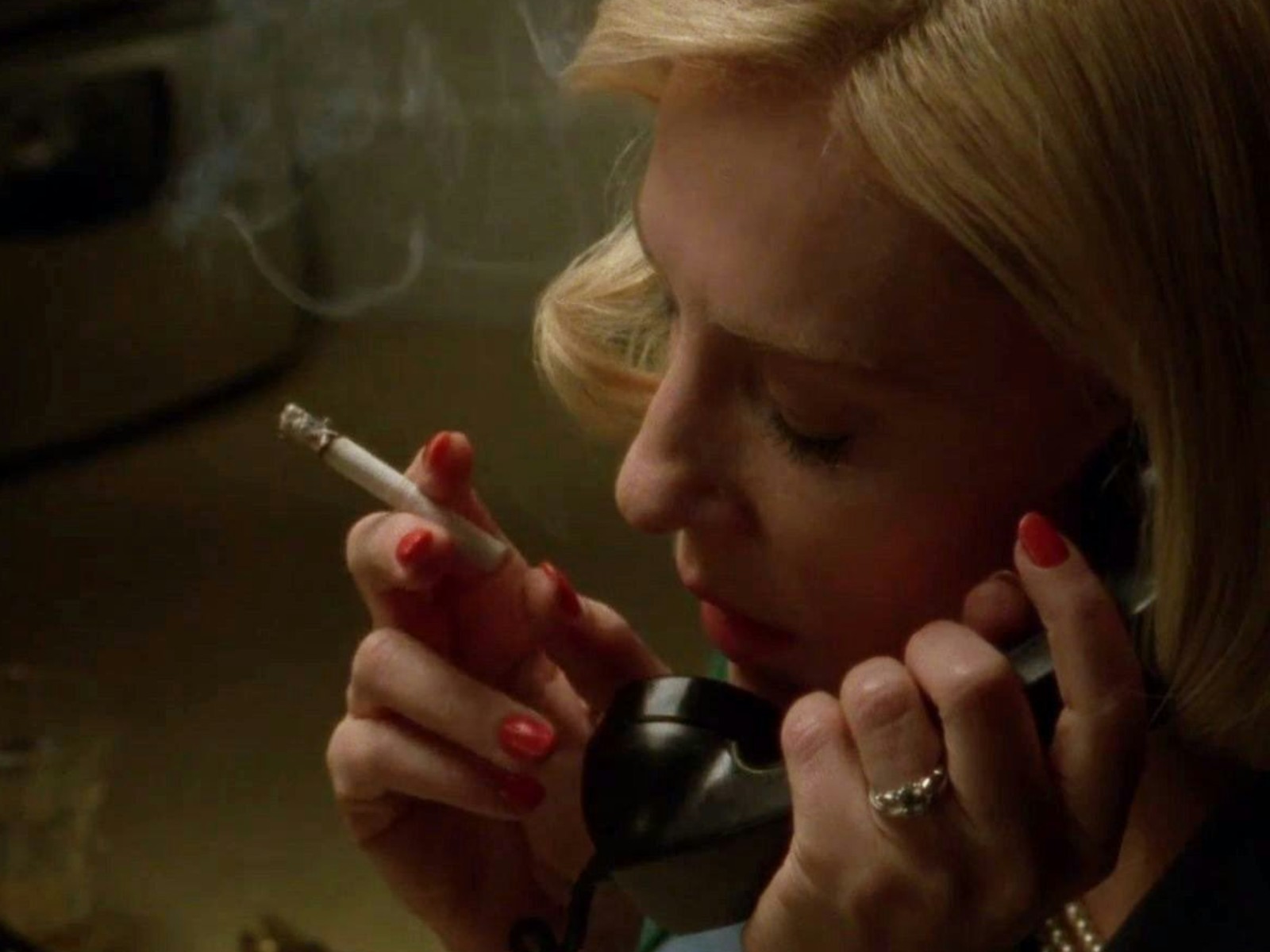
⭐⭐⭐⭐⭐
118 minutes ‧ R ‧ 2015
Cast: Cate Blanchett, Rooney Mara, Sarah Paulson
Director: Todd Haynes
Genres: Queer, Romance
Based on Patricia Highsmith’s 1952 novel The Price of Salt, the film tells the story of two women who fall in love in a world designed to keep them apart. Highsmith published the book under the pseudonym Claire Morgan, wary of being professionally associated with a lesbian novel. In the context of 1950s fiction, the book was radical for offering its two women hope rather than punishment.
Set against the icy cold of Manhattan Christmas in 1952, Carol follows the subtle, unfolding connection between two women from very different worlds. Therese Belivet (Rooney Mara) is a young, aspiring photographer working as a department store clerk. She feels adrift and uncertain about her future — curious, eager, and beginning to explore her desires.
Enter Carol Aird (Cate Blanchett), a glamorous, composed woman shopping for her daughter. Their initial encounter — when Carol leaves behind a glove — sets off a slow but undeniable spark. What begins as casual conversations over lunch gradually deepens into an electric, tender connection. The film emphasizes small gestures, lingering looks, and unspoken longing, building an intimate portrait of love’s quiet strength.
As their relationship develops, it becomes clear that both women are navigating complex personal circumstances. The story explores their emotions, hopes, and fears — all set against a society where such love is taboo and dangerous. Their bond grows through quiet drives, shared moments, and subtle exchanges that reveal more beneath the surface.


Director Todd Haynes values subtext and silence, trusting the actors to convey emotion without overt emphasis. Blanchett delivers an Academy Award-nominated performance — refined, guarded, aching, and controlled. Mara transforms Therese from stillness into confidence while maintaining vulnerability. Sarah Paulson’s Abby offers warmth and steadiness, and Kyle Chandler’s Harge is depicted as a man whose pain turns into cruelty rather than a villain.
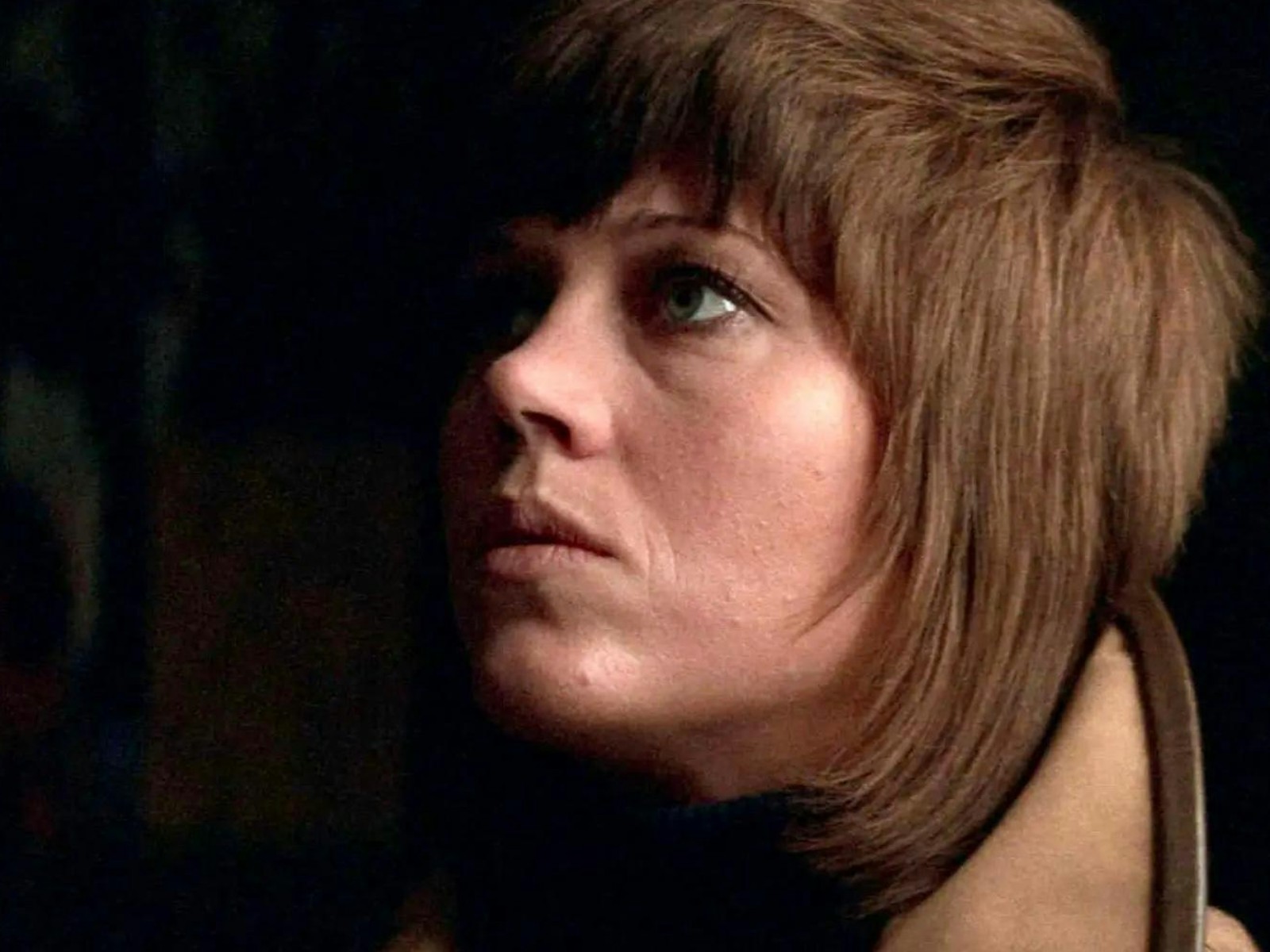
The film looks extraordinary. Cinematographer Ed Lachman shot Carol on Super 16mm, giving it a soft grain and muted texture that feels both period-specific and emotionally intimate. Surfaces like windows, mirrors, reflections, and fogged glass partially obscure what we’re trying to see. Carter Burwell’s score deepens the mood with a restrained, melancholy ache that complements the film’s emotional precision.
Carol was met with major acclaim. Rooney Mara shared the Best Actress award at Cannes with Emmanuelle Bercot, and the film received six Academy Award nominations. It grossed roughly $42 million worldwide on a budget of about $11.8 million.
What lasts about Carol is its emotional afterlife. It’s a film about risk, recognition, and the terror of wanting something that could remake your life. More than that, it’s a story about what it means to be seen clearly by another person — and how rare and dangerous that can be.
Copyright ©️2026 by Frank Gaimari




































































)
)