
 Frank Gaimari
⭐⭐⭐⭐
97 minutes ‧ Unrated ‧ 1954
Cast: Ingrid Bergman, George Sanders, Maria Mauban
Director: Roberto Rossellini
Genres: Drama, Romance
In Roberto Rossellini’s understated masterpiece, a seemingly simple story unfolds — an English couple, Alex and Katherine Joyce, eight years into a marriage that has grown distant, travels to Naples to sell an inherited villa from Alex’s uncle.
As they arrive, the couple quickly notices they’re having trouble being alone together. Boredom begins to show — Alex becomes irritable, while Katherine wanders off to explore museums and ruins on her own. Their conversations are filled with little snipes and quiet silences, as they drift apart. There’s no big fight or dramatic explosion—just a marriage slowly falling apart under the Mediterranean sun.

What surprises many viewers is Rossellini’s approach to this “nothing.” He captures Katherine drifting through Naples — past ancient statues, volcanic fields, stacked catacombs, and finally to Pompeii, where the dead are being unearthed from ash. Italy is not merely a backdrop; it becomes a living force pressing on Katherine, whose veneer begins to crack amid the old stone, death, and faith.


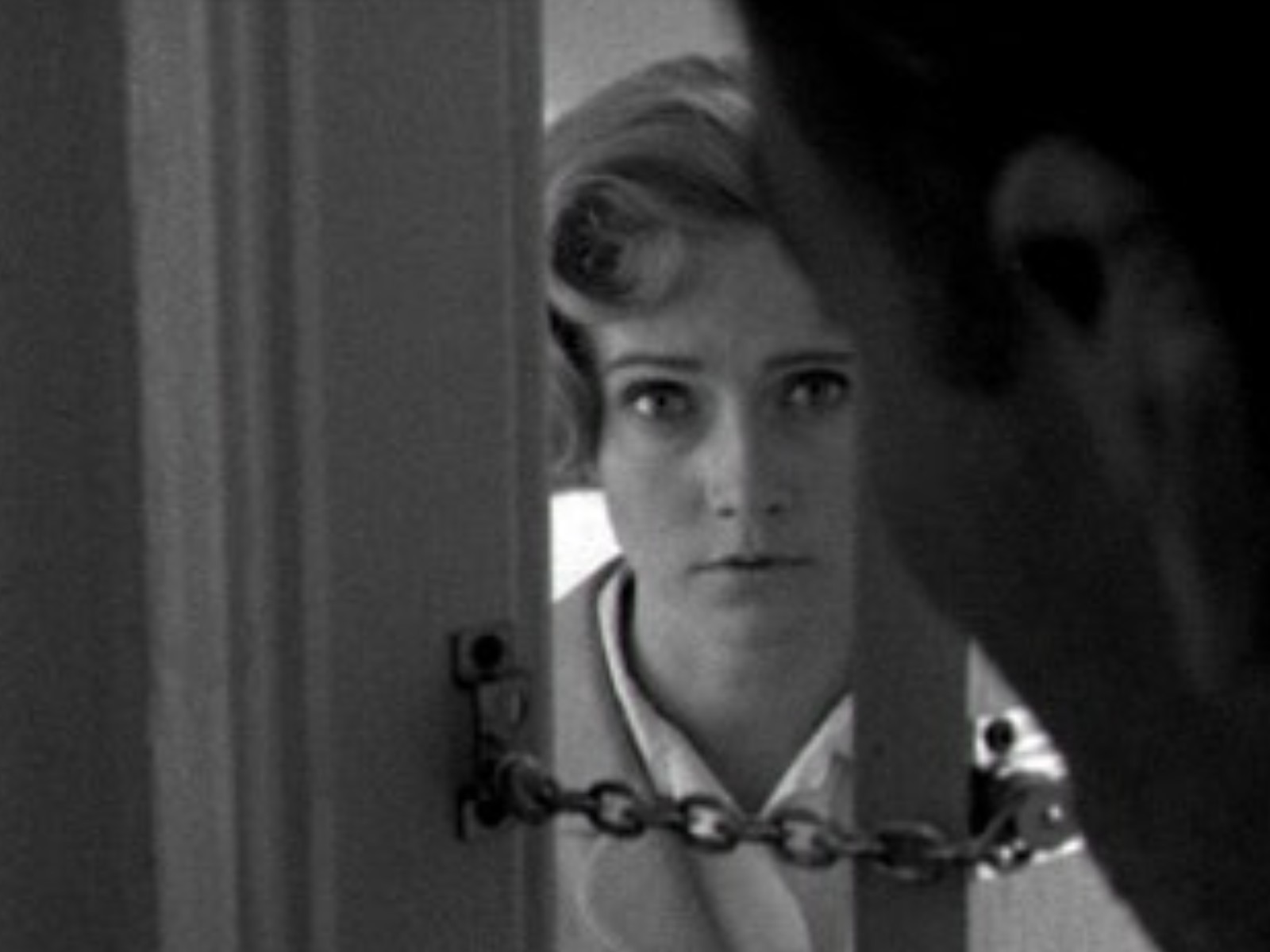
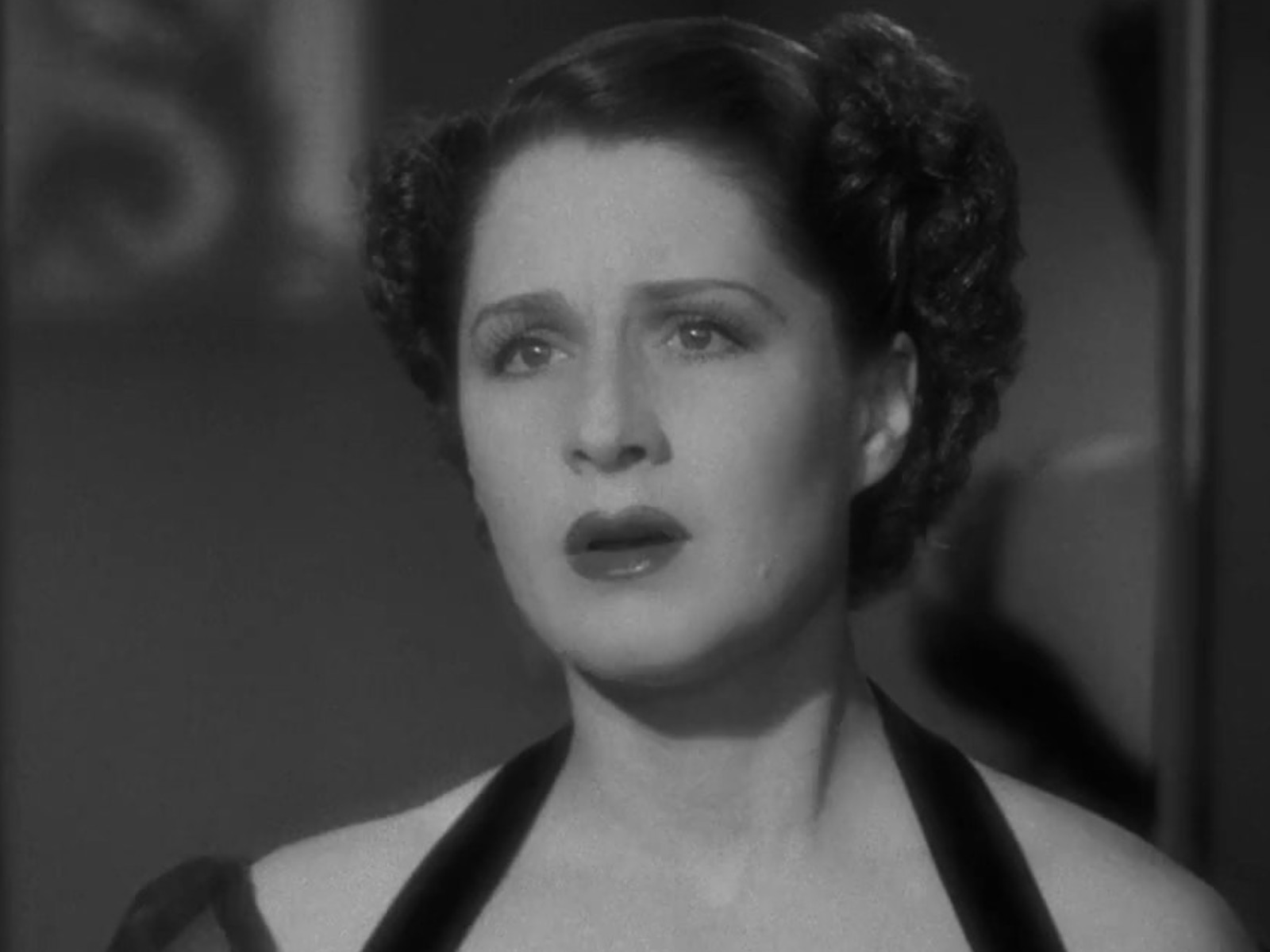
Ingrid Bergman’s performance is central to the film’s power. She doesn’t perform big actorly gestures; instead, her quiet presence and subtle expressions carry the entire narrative. Her face communicates a loneliness that feels painfully real — like the audience is intruding on something deeply private. Interestingly, Rossellini, her husband at the time, rarely provided lines before filming, favoring improvisation. This rawness allows Bergman’s authenticity to shine, making her feel truly immersed in her character’s inner world.
George Sanders offers the perfect counterpoint as Alex, the dry, sarcastic, emotionally guarded Englishman who struggles to connect. Watching Alex’s failed attempts at intimacy is almost painful, adding a layer of authenticity to the film’s emotional landscape.
The film’s ending is notoriously ambiguous — no spoilers here — but suffice it to say, it arrives suddenly and unexpectedly. Many viewers find themselves unsure whether they’ve been genuinely moved or manipulated. For years, the intricate ending has sparked ongoing debate. This unresolved final scene contributes to the film’s lasting appeal and intrigue.
For decades, Journey to Italy remained unseen by audiences because damaged copies and edits had shortened it from its original form. The restoration by Cineteca di Bologna and Cinecittà Luce, culminating in the 2013 Criterion release, was a revelation. It restored the film’s delicate pauses, glances, and dead air — elements Rossellini intended to create a meditative space for reflection.
Watch Journey to Italy to experience Bergman’s haunting presence, its provocative ending, and its impact on filmmaking. This quiet, deep reflection explores how fragile love can be.
Copyright ©️2026 by Frank Gaimari















































































)
)