
 Frank Gaimari
⭐⭐⭐⭐
145 minutes ‧ PG-13 ‧ 2026
Cast: Emily Blunt, Josh O’Connor, Colin Firth
Director: Steven Spielberg
Genres: Mystery, Thriller
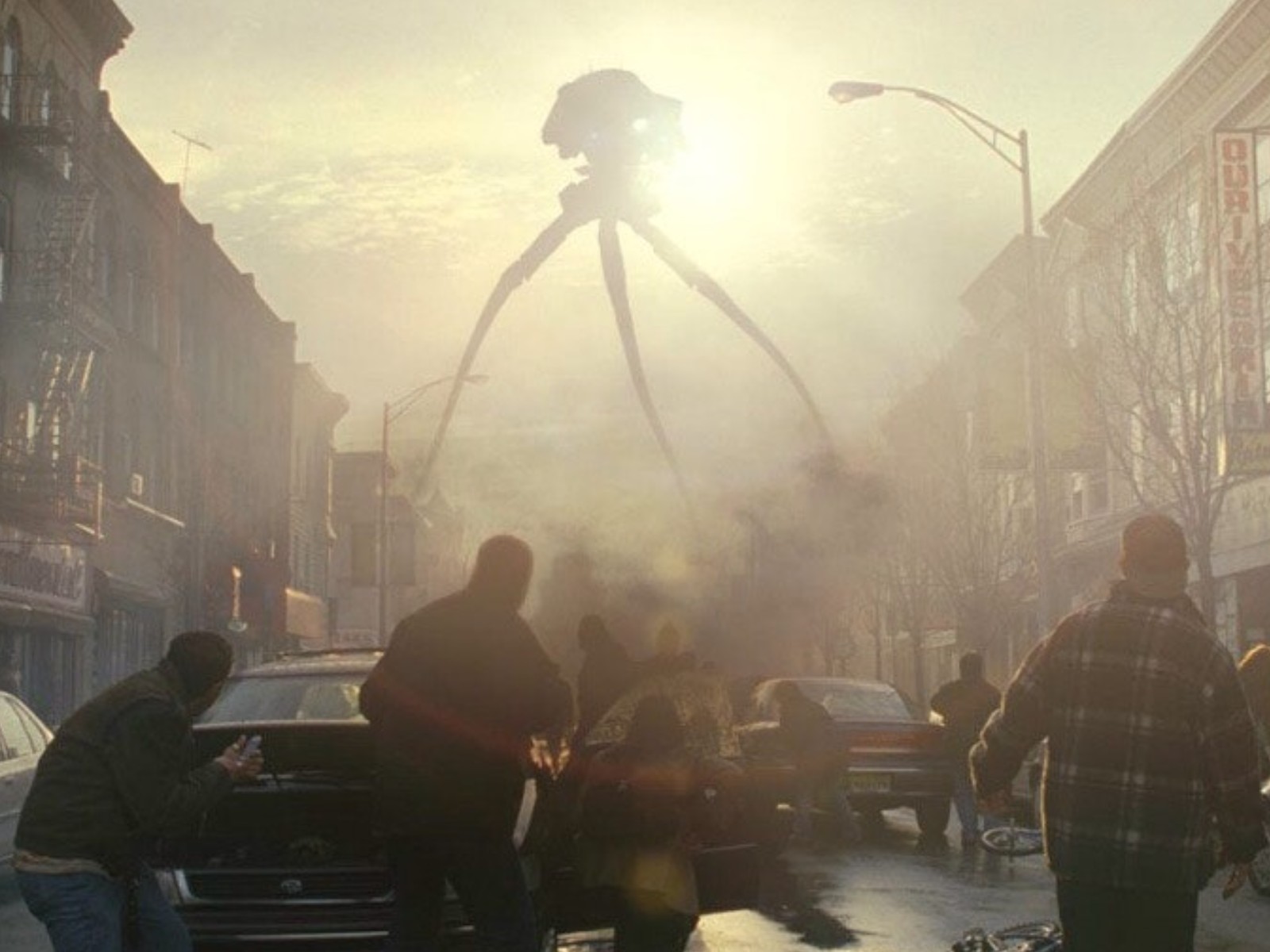
Steven Spielberg’s last true summer blockbuster was arguably War of the Worlds in 2005 — the last time he delivered that unmistakable blend of spectacle, suspense, scale, and awe that only he can provide. Since then, Spielberg has given audiences powerful, personal, and technically masterful films, but Disclosure Day marks his return to the territory he helped define: the grand, mysterious summer event movie.
Part of my excitement comes from being a lifelong Spielberg fan. Few directors understand wonder the way he does. Few can make the unknown feel terrifying, beautiful, and emotional all at once. But beyond that, Disclosure Day is tailor-made for anyone fascinated by space, aliens, and UFOs — topics that naturally invite awe, fear, imagination, and endless questions. In Spielberg’s hands, this material becomes one of the most exciting movie prospects of the year.
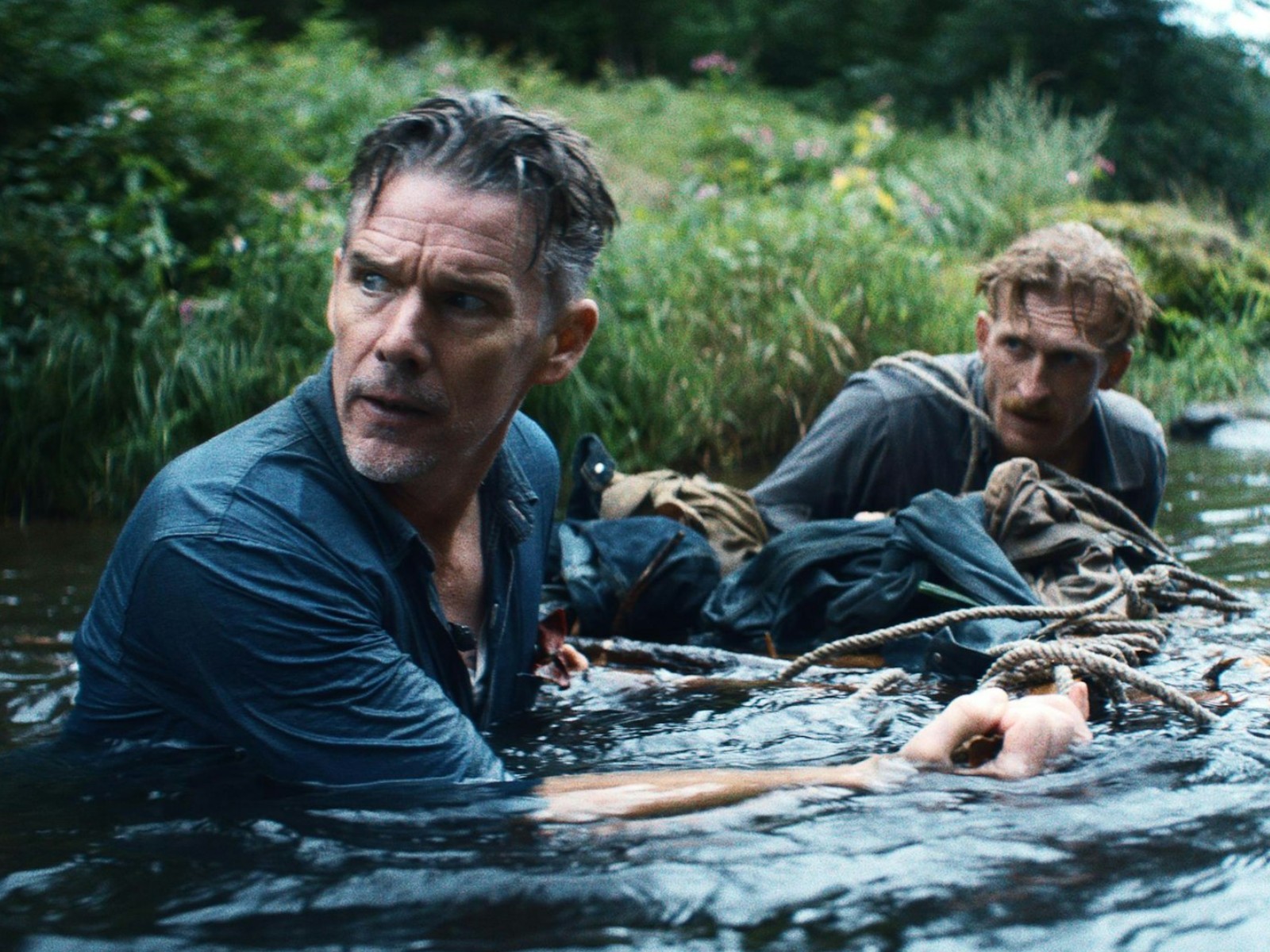
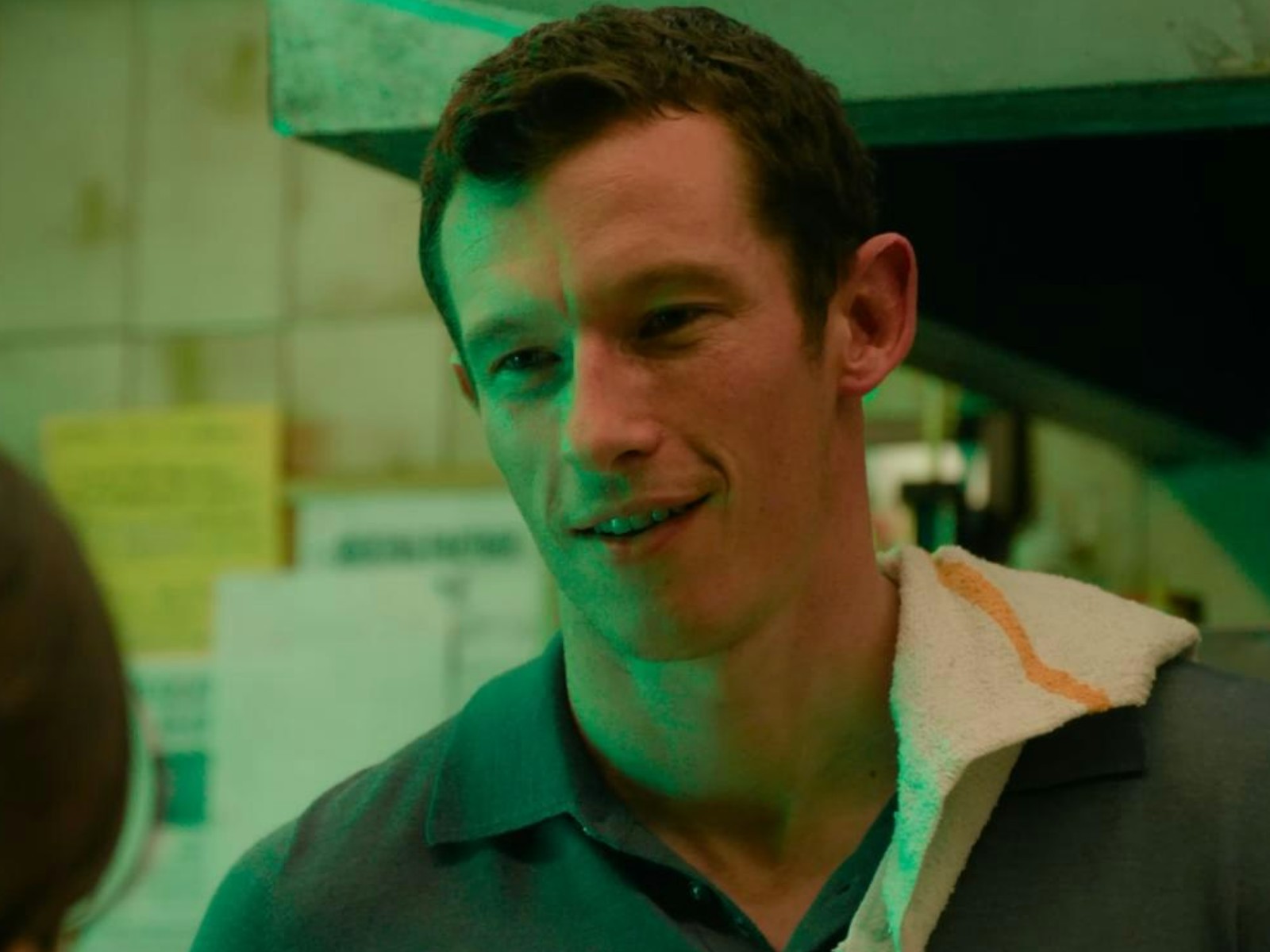
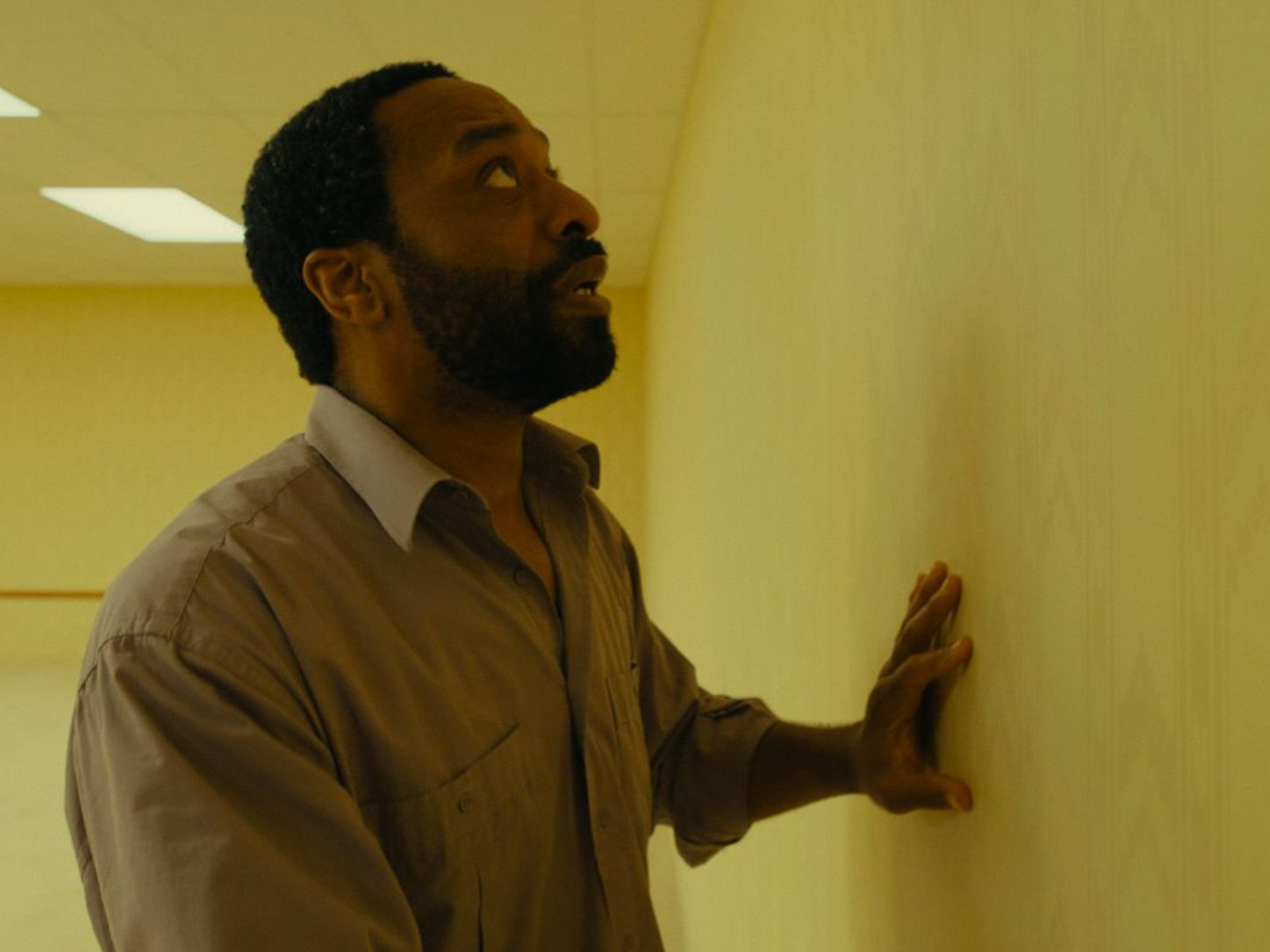
The film takes that fascination and builds it into a sweeping, conspiracy-driven science fiction thriller. The story follows Daniel Kellner (Josh O’Connor), a cybersecurity specialist who steals extraterrestrial technology and classified files from a secretive, government-linked organization called Wardex. The files allegedly contain proof of human-alien contact dating back decades, all the way to Roswell. Branded a traitor, Daniel becomes the target of powerful forces determined to keep the truth buried, and the film quickly becomes a gripping chase thriller layered with political intrigue.


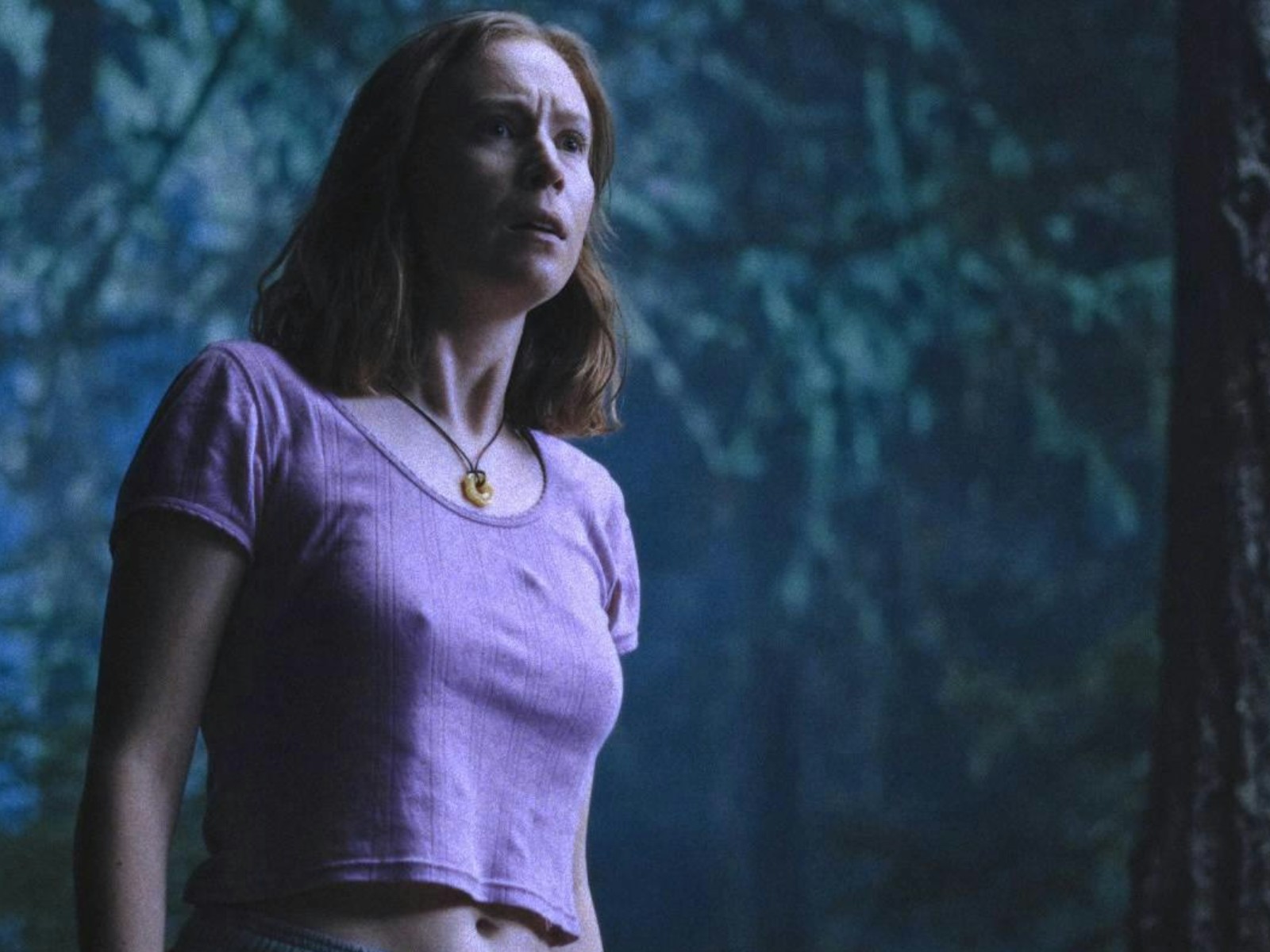
But what elevates Disclosure Day is the character of Margaret Fairchild (Emily Blunt) — a Kansas City television meteorologist whose life is upended after a strange encounter awakens psychic abilities. She begins sensing thoughts, speaking languages she never learned, and experiencing visions tied to the extraterrestrial phenomenon at the story’s heart. This is where the film shifts from a standard government-secrets thriller to something larger, stranger, and more emotionally ambitious. It’s not just about whether aliens exist, but about how humanity would react if the truth became public.
The plot juggles multiple layers: on one level, it’s a story about pursuit, secrecy, and whistleblowers racing to reveal hidden knowledge before the world tears itself apart. On another, it’s about memory, connection, fear, and revelation. The phrase, “If you found out we weren’t alone… would that frighten you?” perfectly encapsulates what Spielberg has always understood: the unknown is never just spectacle. It’s emotional. It’s spiritual. It forces characters — and audiences — to confront what they believe about the universe and their place within it.

Disclosure Day isn’t just another sci-fi thriller; it’s a return to one of Spielberg’s deepest creative obsessions. With David Koepp writing, Patrick Capone and Janusz Kamiński behind the camera, and John Williams composing, the creative team defines cinematic event storytelling. This combination alone gives the film an old-school sense of importance — a movie meant to be seen in a theater, with a crowd, on the biggest screen possible.
I need to mention one thing. Some viewers won’t connect with it because they expect a visual spectacle. Disclosure Day is story-driven first and foremost. It asks for your patience and attention rather than your awe. If that’s the dividing line for some audiences, so be it, but it shouldn’t be mistaken for a flaw. My advice is simple. Don’t go in expecting Close Encounters of the Third Kind. Meet the film on its own terms.
Spielberg’s greatest gift has always been making us believe there’s something extraordinary just beyond what we can see, and with this film, he invites us to look up once again.
Copyright ©️2026 by Frank Gaimari



























































)
)