
 Frank Gaimari
⭐⭐⭐⭐
100 minutes ‧ PG-13 ‧ 2026
Cast: Andrew Scott, Brendan Fraser, Kerry Condon, Chris Messina
Director: Anthony Maras
Genres: Drama, Thriller
D-Day was one of the most important military operations of World War II. On June 6, 1944, Allied forces launched the Normandy landings in northern France, beginning the liberation of Western Europe from Nazi control. Known as Operation Overlord, the invasion brought together American, British, Canadian, and other Allied troops in a massive air, sea, and land assault across five beaches.
It was not only a battle of soldiers and weapons. It was also a battle against time, tides, and weather. The success of D-Day depended on a narrow set of conditions, including enough moonlight for airborne troops, low tide for landing craft, and weather calm enough for ships and planes to operate. That is where Pressure finds its gripping focus.
Rather than telling the story from the beaches, Pressure turns its attention to the rooms where the invasion’s fate was debated before a single soldier landed in Normandy. The film concentrates on the meteorologists tasked with predicting the weather for D-Day, especially Group Captain James Stagg, the Scottish meteorologist whose forecast helped shape General Dwight D. Eisenhower’s final decision.
The drama comes from a brutal question: Should the Allies launch the invasion as planned, or delay it and risk losing their chance?
The film centers on two conflicting perspectives. Stagg (Andrew Scott) contends that the weather is becoming hazardous and that the June 5 invasion might lead to disaster. In contrast, American meteorologist Irving P. Krick (Chris Messina) predicts more favorable conditions using his forecasting methods. Their disagreement extends beyond science, involving personal, political, and intense emotional stakes. The outcome could mean life or death for thousands, depending on who is correct.
This is where Pressure works best. It understands that history does not always turn on speeches or battlefield heroics. Sometimes it turns on charts, instinct, experience, and the courage to speak up when no one wants to hear bad news.
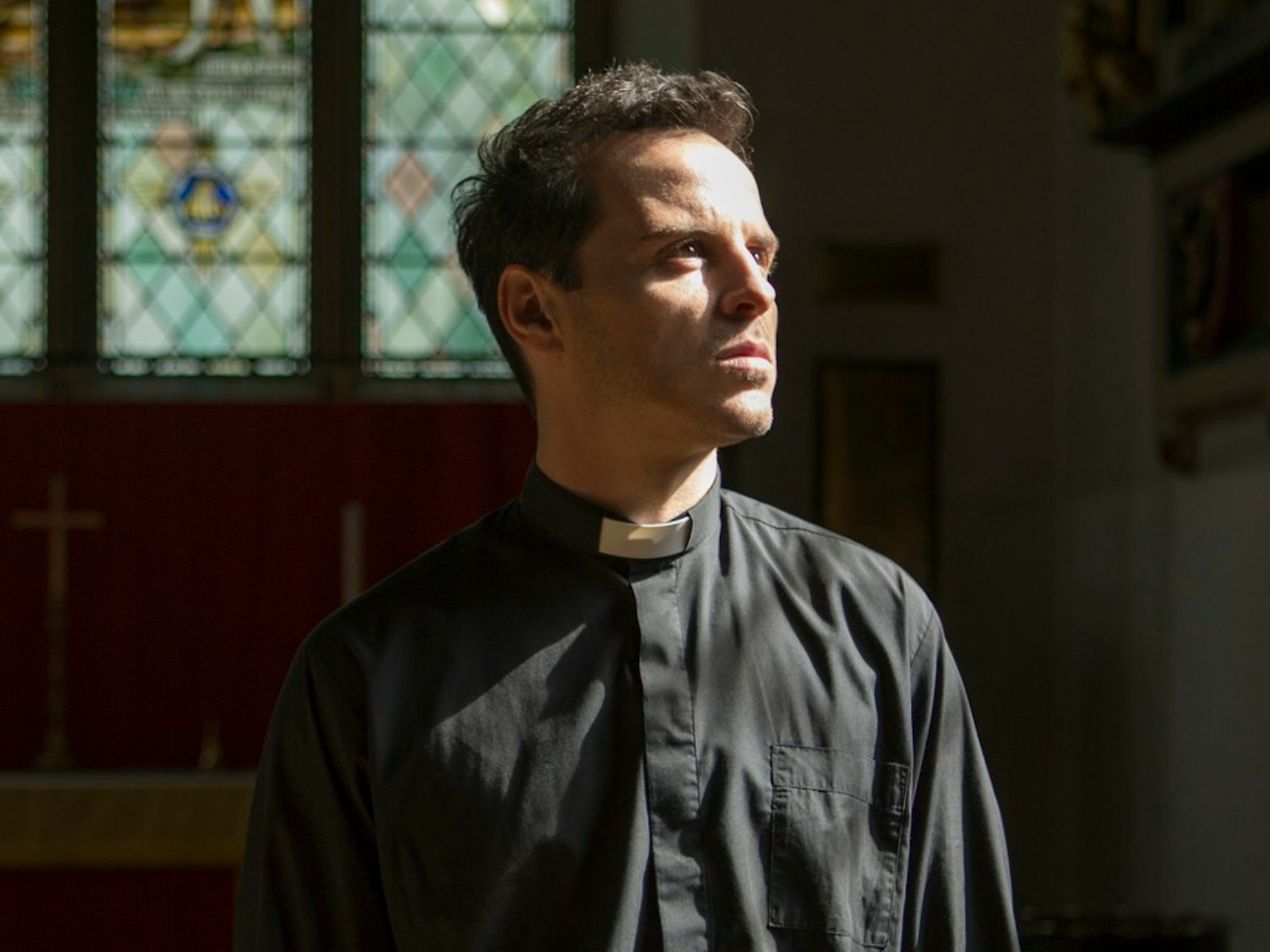
Scott is one of our finest actors, and this performance is another reminder of why. Stagg is sharp, controlled, and often unsettling. Scott portrays him as intense, difficult, and not especially likable. Part of that guarded, distant manner seems shaped by the strain of being separated from his pregnant wife, with no communication between them.
It is a performance built on restraint. Scott does not need grand gestures to show pressure. You see it in his face, in his clipped speech, in the way he holds himself around military leaders who may not fully trust him. He makes Stagg memorable by portraying him as brilliant and deeply human. The character’s coldness never feels like a gimmick. It feels like armor.

Brendan Fraser delivers a strong portrayal of Dwight D. Eisenhower, fulfilling the role’s requirements with steadiness and authority. The supporting cast, notably Messina, Kerry Condon, and Damian Lewis, deserve praise for maintaining consistent tension across scenes. In a story heavily reliant on suspense, silence, and atmosphere, such support is crucial.
Director Anthony Maras approaches the story with a clear sense of purpose. Instead of making Pressure a typical war film, he builds tension through conversation, disagreement, and waiting.
The importance of this movie is clear. Stagg’s forecast helped persuade Eisenhower to delay the invasion from June 5 to June 6, when a brief break in the weather gave the Allies their chance. Had the operation gone ahead in the storm, the result could have been catastrophic. Had it been delayed too long, secrecy and timing might have been lost.
Copyright ©️2026 by Frank Gaimari



















































































)
)