
 Frank Gaimari
⭐⭐⭐
107 minutes ‧ R ‧ 2003
Cast: Wes Ramsey, Steve Sandvoss, Mary Kay Place
Director: C. Jay Cox
Genres: Drama, Romance
Released in 2003, Latter Days arrived at a time when gay cinema was still fighting for space, visibility, and seriousness in the mainstream conversation. In that context, the film felt bold, emotionally direct, and genuinely important. Today, some of its choices may seem rooted in its era, but it remains a memorable and meaningful entry in queer film history.
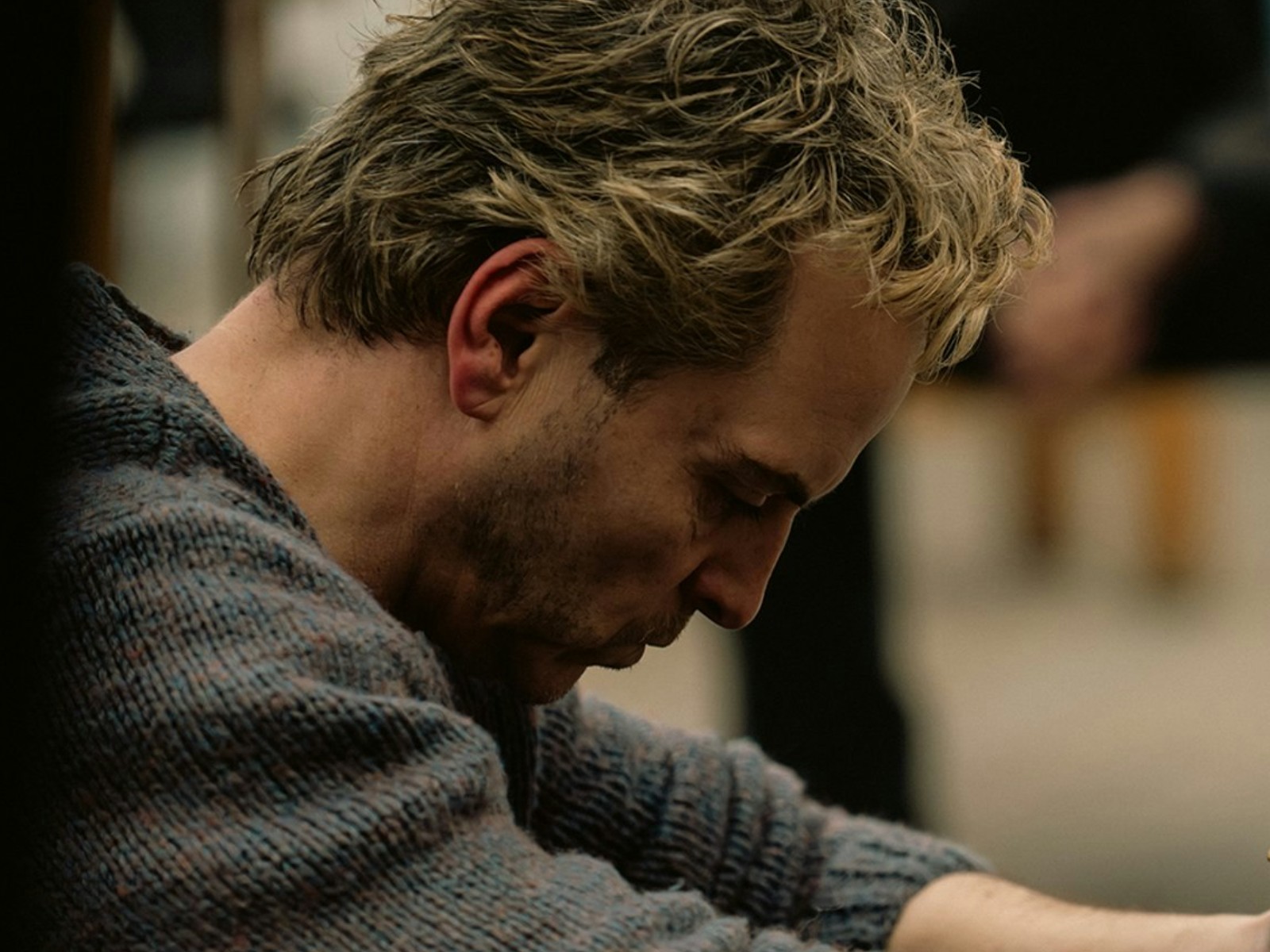
Written and directed by C. Jay Cox, Latter Days centers on the connection between two very different young men in Los Angeles: Christian, played by Wes Ramsey, and Aaron, played by Steve Sandvoss. Without giving away spoilers, the story uses this relationship to explore desire, faith, identity, repression, and vulnerability. What begins as a somewhat familiar setup gradually deepens into something more emotionally sincere than you might expect.

Early on, the film can feel a bit broad in tone, but as the story unfolds, the film becomes richer, more emotionally resonant, and ultimately far more compelling than its opening might suggest.
A major reason it works is the chemistry between its leads. Wes Ramsey gives Christian charisma, attitude, and just enough emotional instability to prevent him from becoming a stereotype. He starts as the more outwardly confident and provocative figure, but Ramsey allows glimpses of loneliness and longing to come through. Steve Sandvoss, meanwhile, brings a quiet restraint to Aaron that suits the role well. His performance relies less on dramatic flourishes and more on internal conflict, and that controlled approach helps ground the movie’s emotional stakes. Together, they create a dynamic that carries the film through its tonal unevenness.
The supporting cast also adds value. Mary Kay Place brings warmth and maturity, and Jacqueline Bisset lends the film an unexpected touch of elegance. There are also appearances from recognizable faces like Joseph Gordon-Levitt and Amber Benson, which adds extra texture to the cast.
What makes Latter Days worth revisiting is not that it is flawless — it isn’t — but that it was new and significant for its time. In the early 2000s, a film like this could feel revelatory to audiences who rarely saw gay love stories treated with this level of romantic focus and emotional seriousness. It blended romance, sexuality, pain, and hope in a way that felt progressive for its era. For many viewers, that made it more than just another indie drama; it made it a part of a larger movement in queer storytelling.
Copyright ©️2026 by Frank Gaimari

















































































)
)