
 Frank Gaimari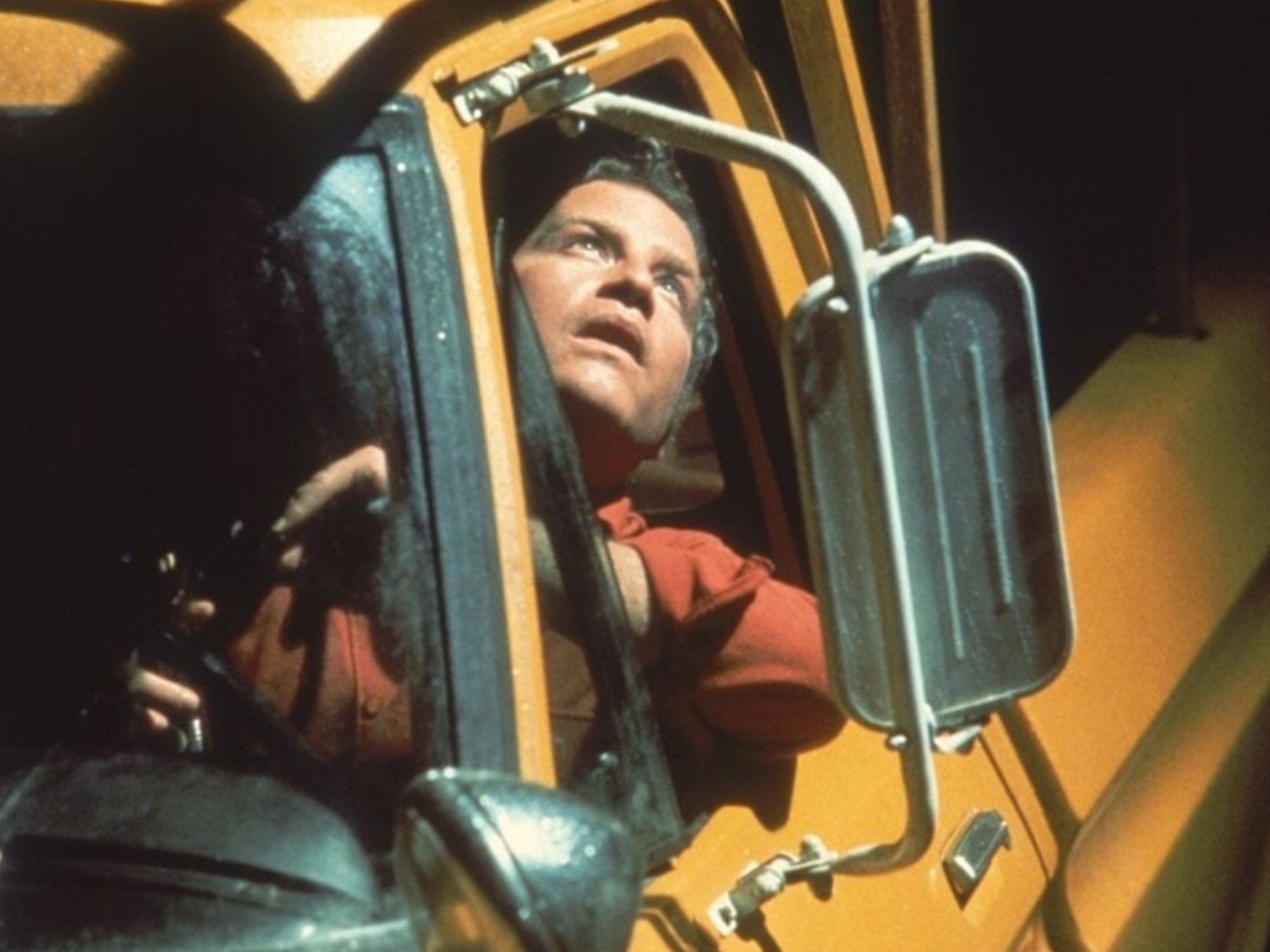
⭐⭐⭐⭐⭐
138 minutes ‧ PG ‧ 1977
Cast: Richard Dreyfuss, François Truffaut, Teri Garr
Director: Steven Spielberg
Genres: Drama, Sci-Fi
This is one of my all-time favorite Steven Spielberg movies. No matter how many times I watch it, it never fails to draw me in again! It’s a science fiction film, but unlike many others in the genre, it’s not centered on action or scares. There are no grand space battles or explosions; instead, the pacing is slow and deliberate, emphasizing the story and the characters’ experiences.
The story centers on Roy Neary, a power lineman in Indiana with a regular job and a regular family. One night, he has a close call with a UFO, and from that point on, he can’t let it go. He becomes fixated. He keeps seeing the same shape in his head, and he starts pushing everything else in his life aside to chase the feeling. Alongside Roy, there’s Jillian, a mother dealing with her own frightening run-in with the same events. Then there are the scientists, working across the globe to piece together what these sightings actually mean. The three threads slowly move toward each other, and that buildup is a big part of what makes the movie work.
Richard Dreyfuss carries much of it as Roy. He’s restless, a little selfish, and somewhat of a mess by the end, but you stay with him the whole way. He makes you believe a regular guy could let one strange night take over his entire life. Melinda Dillon is strong as Jillian, and her scenes hit hard because the fear feels real. Teri Garr plays Roy’s wife, and she gives the family side some weight; she’s the one watching him slip away while she tries to keep things normal. Then there’s François Truffaut, a famous director in his own right, playing the French scientist. He’s calm and gentle, bringing a thoughtful presence that grounds the whole story.

Spielberg’s direction is patient, and that patience is what sells it. He lets scenes sit. He trusts you to feel the wonder without forcing it. He’s more interested in how small a person looks next to something they can’t explain than in showing off. The film looks great, but it never feels showy.


The score deserves its own mention. John Williams composed those five notes that turn into the way people and visitors try to talk to each other, and they stick with you long after the movie ends. The music does a lot of the heavy lifting. It makes everything feel bigger and stranger before you fully understand what’s going on.
The movie was also a big hit. It cost around $20 million to make and brought in more than $300 million worldwide. That kind of success helped prove that sci-fi could be thoughtful and quiet and still attract a huge crowd.
Close Encounters of the Third Kind is visually stunning, deeply caring for its characters, and never talks down to the audience or forces explanations. It allows space for wonder and imagination to flourish. If you haven’t seen it yet, I highly recommend watching it — you’re likely to be just as captivated as I am.
Copyright ©️2026 by Frank Gaimari

























































)
)