
 Frank Gaimari
⭐⭐⭐⭐
111 minutes ‧ R ‧ 2026
Cast: Anne Hathaway, Michaela Coel, Hunter Schafer
Director: David Lowery
Genres: Drama, Queer
Classified as an art film, Mother Mary, directed by David Lowery, weaves together complex emotions and quiet moments. Like many films in this genre, it relies more on mood, atmosphere, and subtext than on a straightforward plot. Throughout the movie, this approach is especially apparent in how its emotional weight is conveyed through subtle, unspoken Queer undertones.
The film follows Mother Mary (Anne Hathaway), a pop icon who’s been out of the spotlight, grappling with a personal and creative crisis. Determined to reclaim her place in the music world, she plans a massive comeback. But as the concert night looms, Mary realizes something is missing. The dress she’s chosen for her debut doesn’t feel right — it doesn’t reflect who she is or the statement she wants to make. This prompts her to reconnect with Sam Anselm (Michaela Coel), her former friend and costume designer.
Their relationship is complicated, to say the least. Years ago, they had been inseparable, with Sam shaping Mary’s early image and career. But as Mary’s fame exploded, their bond fractured, leaving behind shards of unresolved pain and resentment. When Mary shows up at Sam’s secluded countryside home, the reunion is anything but easy. The two are forced to confront their shared history — the betrayals, the misunderstandings, and the love that still lingers beneath them.
What makes this movie so captivating is the undeniable Queer energy that runs through it. The film doesn’t tiptoe around the complexities of their relationship — it dives right in. Mary and Sam’s dynamic is messy, passionate, and heartbreakingly real. It’s a raw portrayal of Queer love, with all its beauty and complications laid bare. Their chemistry is electric, and every scene between them feels like it’s crackling with unspoken words and unresolved emotions.
Anne Hathaway is fantastic as Mary, capturing the vulnerability and determination of a woman trying to reclaim her identity. But Michaela Coel is the true standout. I’ve been a fan of hers since The Christophers, and seeing her in this role was such a thrill. Coel’s performance is magnetic — she’s fierce, emotional, and utterly captivating. Her beauty is jaw-dropping, and her ability to convey so much with just a glance is remarkable. Together, Hathaway and Coel create a dynamic that’s unforgettable.
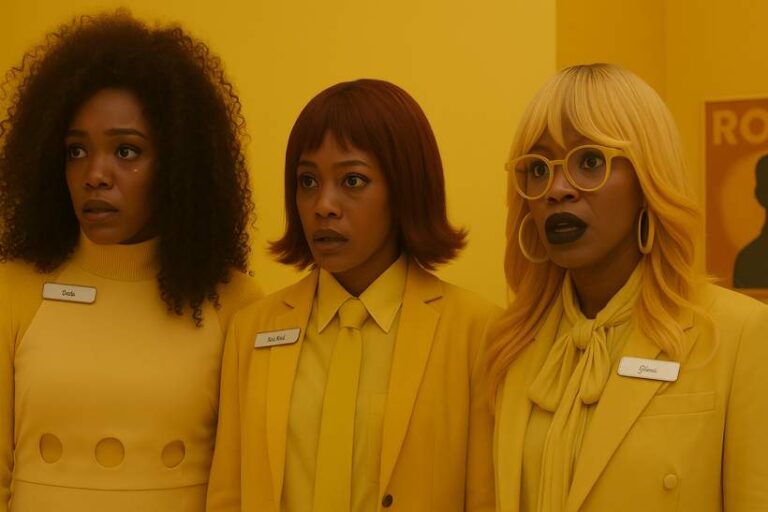
Visually, the film is breathtaking. Lowery crafts a world that feels intimate and grand, with the English countryside providing a hauntingly beautiful backdrop. The concert scenes are dazzling, and the cinematography captures every emotional detail, pulling you deeper into the story.
The music is another standout. The original songs feel authentic and emotionally charged, perfectly complementing the film’s themes of love, loss, and reinvention. They add an extra layer of depth to the story, making it feel even more personal and immersive.
Mother Mary is a bold, emotional journey that challenges you to sit with its complexities. It’s a story that doesn’t give you easy answers but instead invites you to reflect on the messy, beautiful realities of love, identity, and ambition. For fans of Queer cinema or anyone who craves storytelling that’s as raw as it is visually stunning, seeing this film is an experience worth having. It lingers — not in the background, but right in the heart where it matters most.
Copyright ©️2026 by Frank Gaimari





















































)
)