 Frank Gaimari

Donna Summer was born Donna Adrian Gaines on New Year’s Eve, 1948, in Boston, Massachusetts. Her father was a butcher, and her mother was a schoolteacher. Their home was rarely quiet. According to her mother, Donna sang almost from the moment she could talk. The world first heard her voice at age ten when a scheduled church singer didn’t show up, and the priest asked Donna to fill in. Her powerful singing surprised everyone present. “You couldn’t see her if you were beyond the third row,” her father recalled, “but you could hear her.”
At eighteen — just weeks before graduating high school — she auditioned for a production of Hair headed to Munich, Germany. She convinced her reluctant parents, won the part, and boarded a plane. Within months, she was fluent in German and performing in shows like Godspell and Porgy and Bess. Munich was where she honed her craft — singing backup, cutting demos — and where she met the producers who would change her life.
In 1975, Donna co-wrote and recorded a sultry demo called “Love to Love You Baby,” a track she had initially intended for another singer. Her producers loved her version so much that they made it hers. The final cut ran a then-unheard-of seventeen minutes, and its breathy intimacy was so bold that many radio stations refused to play it. Audiences, however, had no hesitation. The song skyrocketed to No. 2 in the United States, and a star was born.

What followed was one of the most remarkable runs in pop history. Working with Giorgio Moroder and Pete Bellotte, Summer helped invent the future. “I Feel Love,” with its throbbing synthesizer pulse, didn’t just define disco; it laid the groundwork for electronic dance music as we know it. Then came “Bad Girls” and “Hot Stuff” — two No. 1 hits, helping cement one of the most remarkable chart runs by any female artist of the late 1970s. By the end of her career, she had won five Grammy Awards, sold tens of millions of records worldwide, and earned a place in the Rock & Roll Hall of Fame. But what truly set her apart was her range: a voice that could purr, soar, testify, and command — all without losing its warmth.
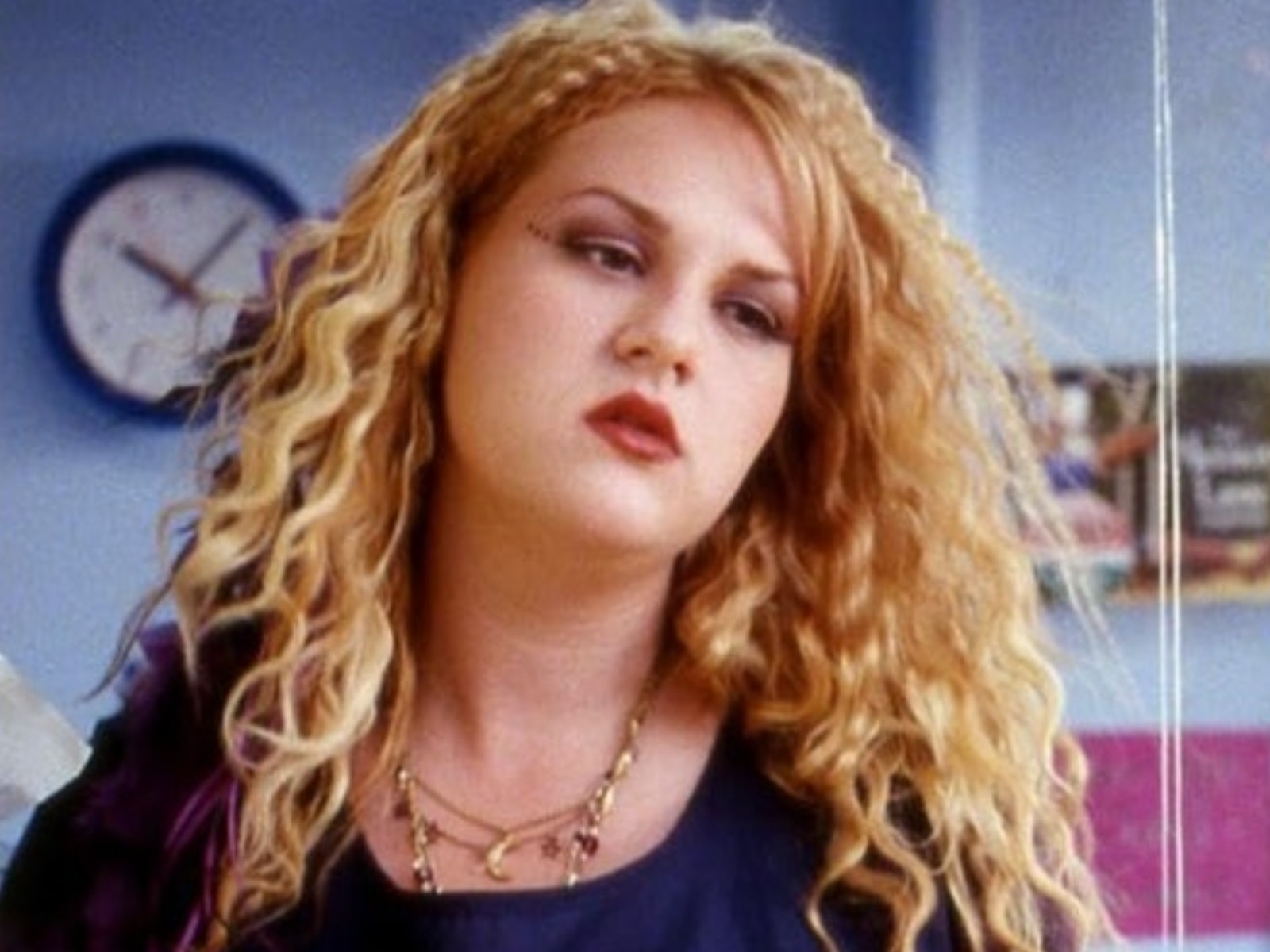
Her deepest connection to film arrived in 1978 with Thank God It’s Friday, a disco-era comedy set across one wild night at a Los Angeles nightclub. She didn’t just contribute to the soundtrack; she appeared on screen as aspiring singer Nicole Sims, sharing the frame with a young Jeff Goldblum and the Commodores. The film gave the world “Last Dance,” a song that has since become shorthand for the bittersweet close of any great night. It builds slowly, opening with aching longing before erupting into pure joy. The song won the Academy Award for Best Original Song and a Grammy. Nearly five decades later, “Last Dance” still closes weddings, proms, and films — its power undimmed.
That was only the beginning. Summer’s catalog has since appeared in dozens of films across every genre and mood because her songs do something rare: they instantly set a tone, transport an audience, and inject a scene with unmistakable energy. And “She Works Hard for the Money,” inspired by a weary bathroom attendant she once met, found a home in Splash (1984), Ron Howard’s beloved mermaid romance.
Her hits proved endlessly adaptable. “Hot Stuff” has become a cinematic firecracker — blazing through films like The Martian and The Full Monty, where it powered one of the most joyous striptease finales ever filmed. The Magic Mike films embraced her too, with Magic Mike XXL using “Hot Stuff.” Her music has also continued to surface in stylish period storytelling: House of Gucci featured “On the Radio,” and the Beetlejuice franchise later made room for “MacArthur Park.” Whether a film needs comedy, seduction, nostalgia, or triumph, Donna Summer delivers.

Donna Summer died on May 17, 2012, at her home in Naples, Florida. She was 63. The cause was lung cancer. Reports at the time said Summer believed her illness may have been connected to toxic exposure following the September 11 attacks, though that link was never publicly established as medical fact. She had never smoked, and her diagnosis stunned millions who loved her. To the end, she remained thoughtful about what mattered most. “What I aspire to in my life, truly, is to be loving,” she said shortly before her death. “And I don’t always achieve that, but that’s my aspiration.”
Copyright ©️2026 by Frank Gaimari