
 Frank Gaimari
⭐⭐⭐
123 minutes ‧ PG-13 ‧ 1967
Cast: Barbara Parkins, Patty Duke, Paul Burke
Director: Mark Robson
Genres: Drama, Music
Not many films manage to fail critically and then spend the next fifty years being beloved anyway. Valley of the Dolls is one of those films. When it hit theaters in December 1967, critics were mostly unkind. However, audiences showed up regardless, and somehow, all these years later, people are still watching it.
The film is adapted from Jacqueline Susann’s 1966 novel, one of the biggest bestsellers of its era. Susann had spent years on the fringes of show business, and the book had a bitter, lived-in quality that resonated with many readers. She wasn’t romanticizing Hollywood; she was showing what it took out of people. Helen Deutsch and Dorothy Kingsley adapted the screenplay, and Mark Robson stepped in to direct.
The title warrants some explanation. The “dolls” aren’t the women; they’re pills — barbiturates — the kind people in the sixties used to get through the day or to fall asleep at night. Throughout the story, these women chase something they can never quite reach, and the pills serve to keep them in place, immobilized by their own struggles and dependencies.

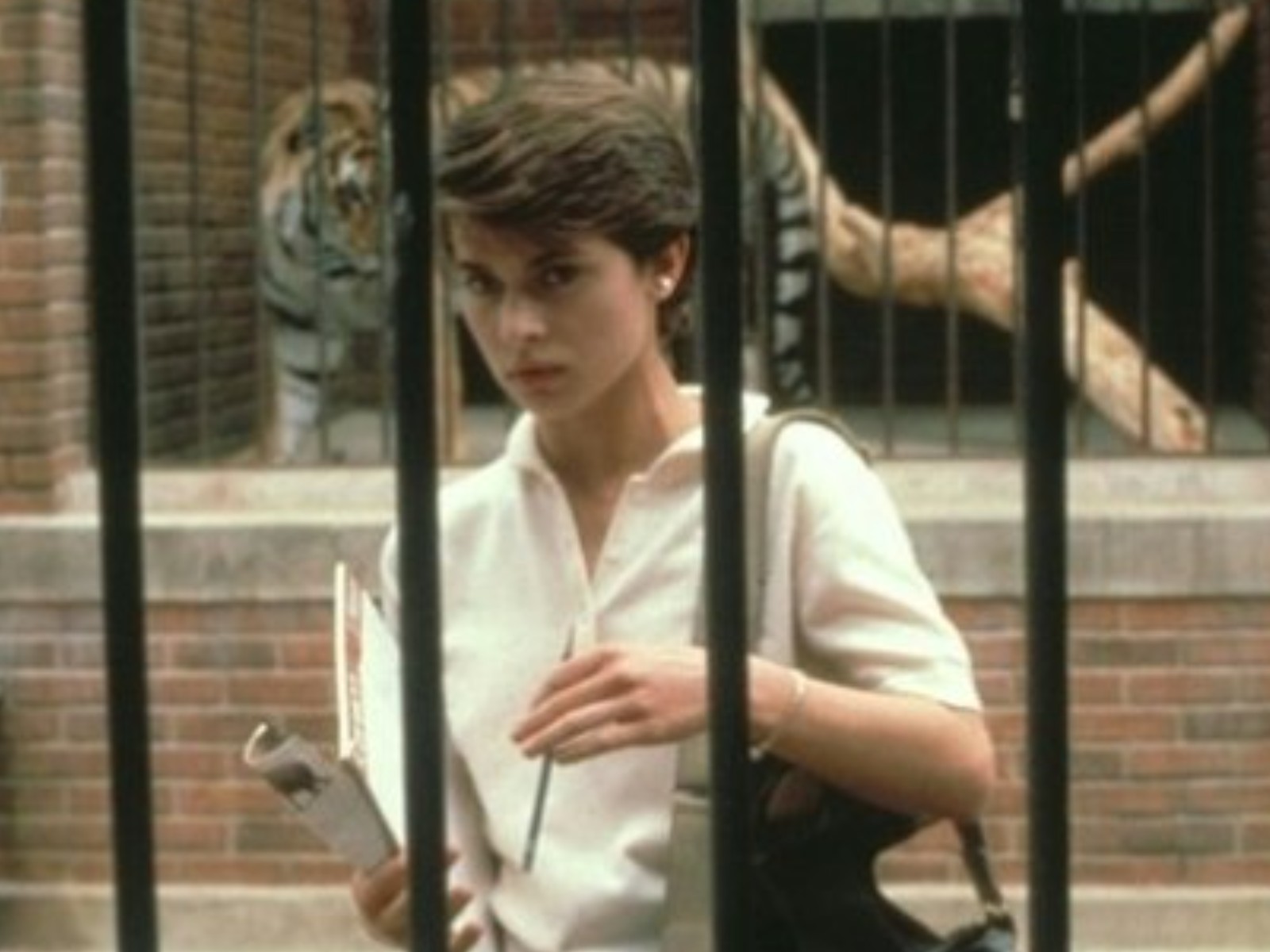
The story follows three women who meet in New York and support each other through the highs and lows of trying to succeed in entertainment. Barbara Parkins plays Anne Welles, a composed, quietly beautiful girl from a New England town who longs for more out of life. Patty Duke portrays Neely O’Hara, a raw, electrifying talent who burns brightly and crashes hard. Sharon Tate plays Jennifer North, a showgirl who has been told all her life that her looks are her only asset.

Susan Hayward delivers a terrific performance as Helen Lawson, the aging Broadway star fighting for everything she has — sharp, intense, and slightly intimidating. Paul Burke rounds out the main cast as the man in Anne’s life, who consistently disappoints her. A well-known piece of trivia is that Judy Garland was originally cast as Helen Lawson but was replaced early in filming, with Hayward stepping in to make the role her own.
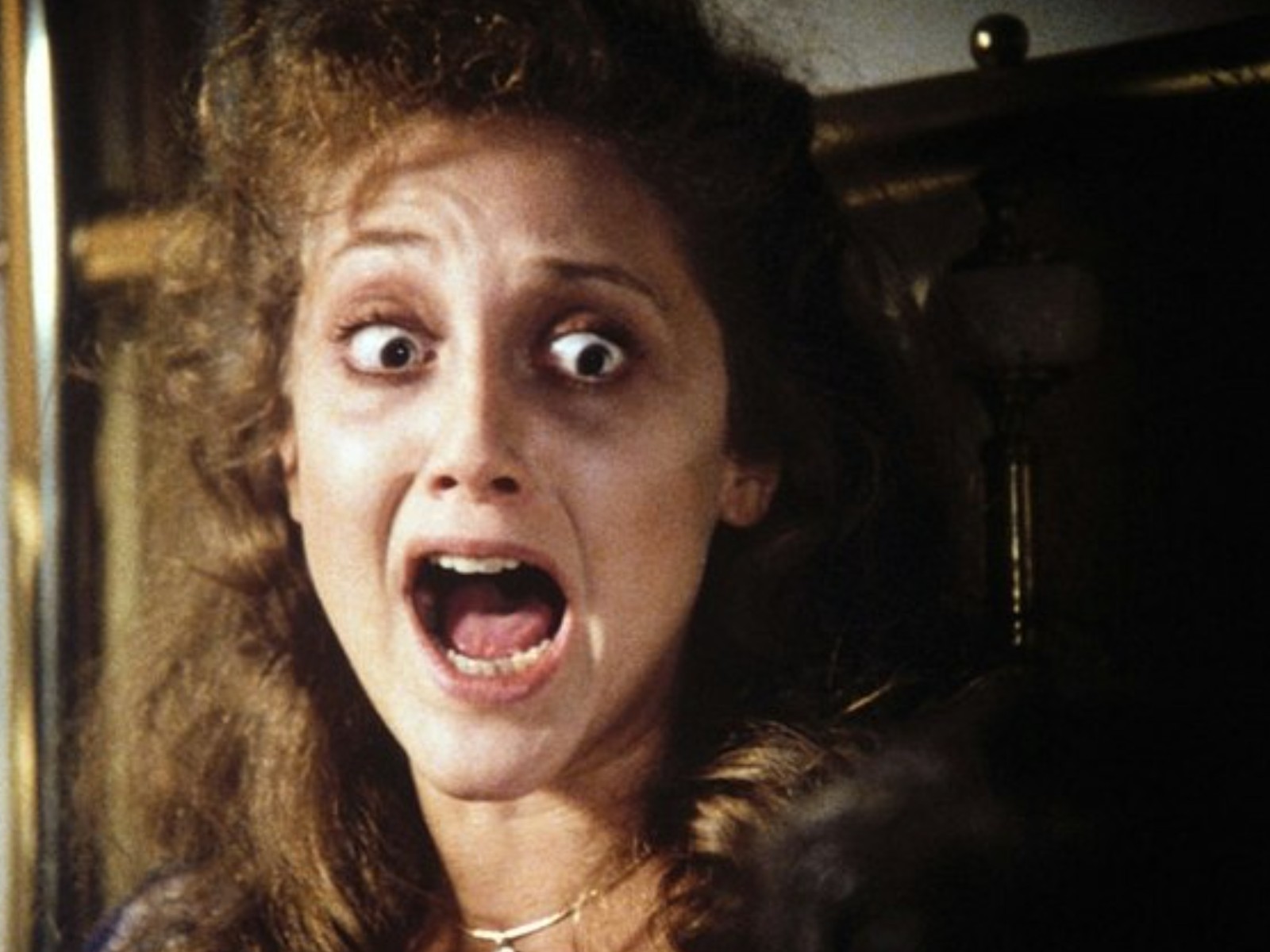
Here’s my honest take on the film: the first half is genuinely good. The early scenes feel grounded and real, allowing you to believe in these women, their friendship, and their nerves. I was invested. However, around the midpoint, the film seems to lose that subtlety and simply goes for it. Each scene becomes louder, the breakdowns more exaggerated, and the drama more overwhelming. It stops feeling authentic and turns into a soap opera — loud and over the top. The elements that worked at the start are overshadowed, leaning heavily into melodrama.

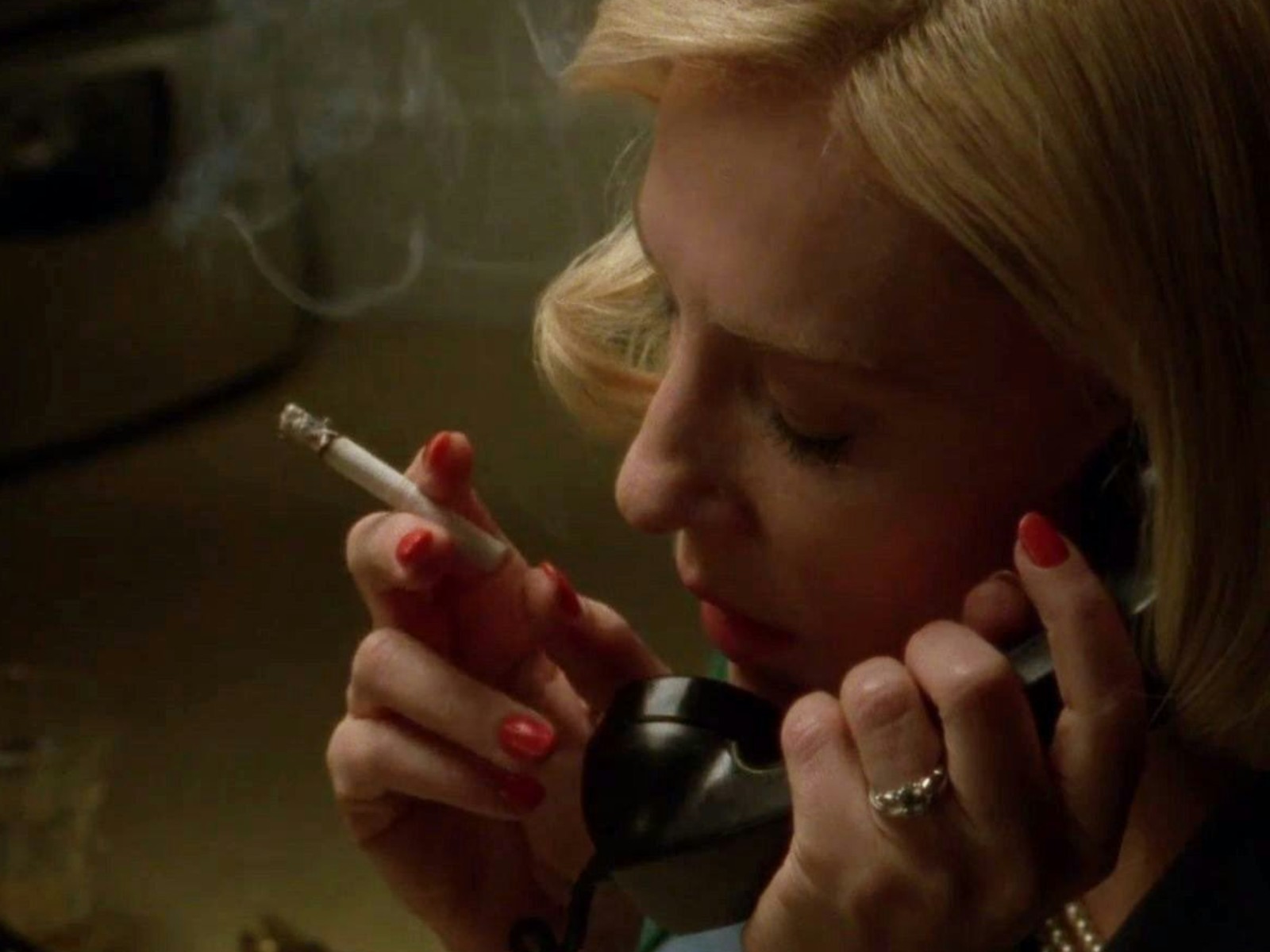
The one aspect I won’t criticize is the film’s visual presentation. William H. Daniels, a renowned cinematographer known as “Garbo’s cameraman” for his work with Greta Garbo, shot Valley of the Dolls. He had a rare talent for lighting women to look luminous without appearing artificial, and he brought that skill to this film. Every frame is warm, polished, and meticulously composed.
Valley of the Dolls is a film of two halves. The first is grounded and captivating, while the second leans heavily into melodrama without looking back. Whether that works for you depends on your tolerance for theatrical excess. Nonetheless, the performances are worth watching, and Daniels’ cinematography is truly exceptional. It’s not a perfect film, but it has endured for a reason.
Copyright ©️2026 by Frank Gaimari










































)
)