
 Frank Gaimari
⭐⭐⭐⭐
106 minutes ‧ R ‧ 1974
Cast: Joe Dallesandro, Udo Kier, Vittorio De Sica
Director: Paul Morrissey
Genres: Horror
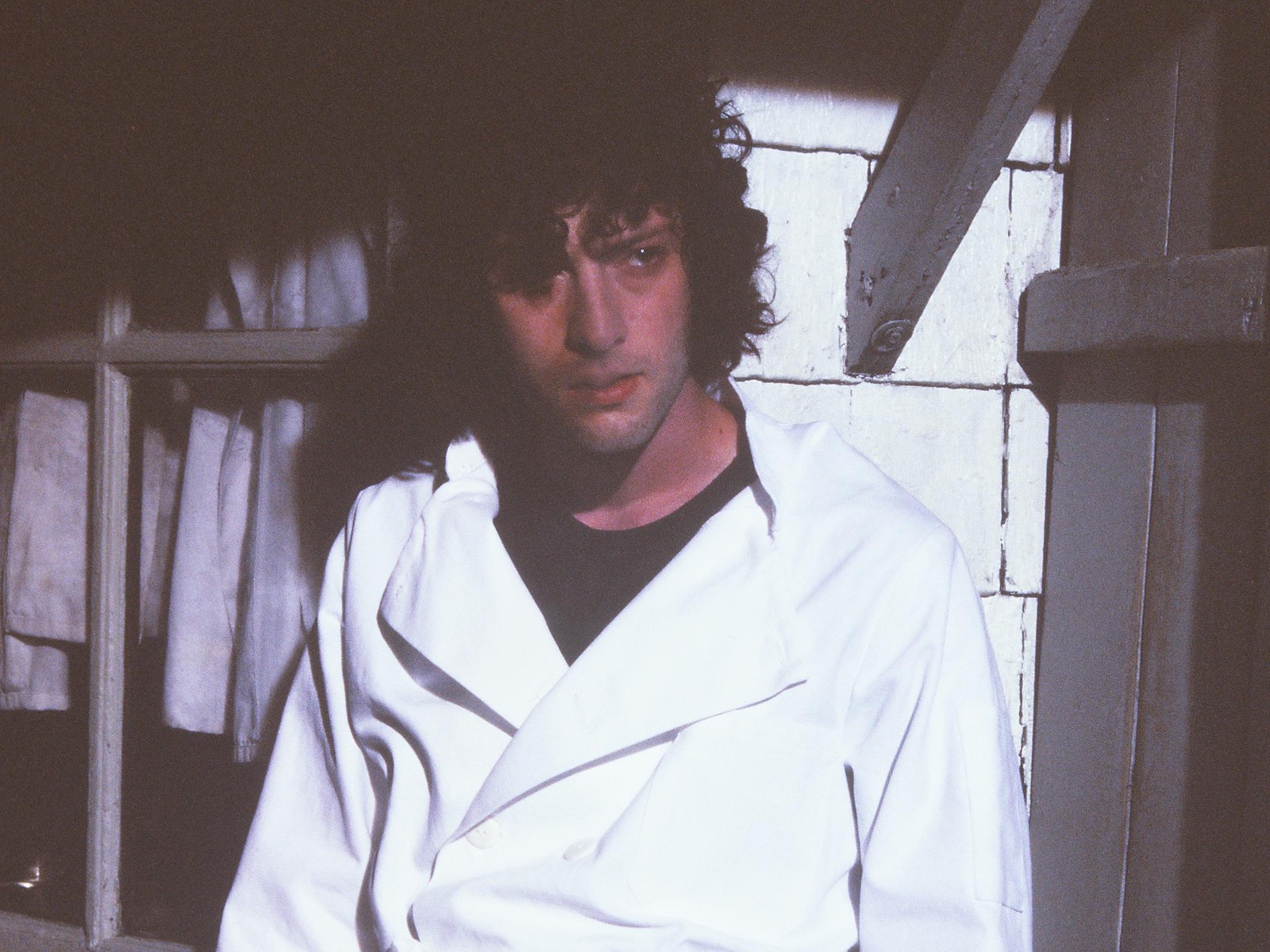
This film, directed by Paul Morrissey, has two titles: Andy Warhol’s Dracula and Blood for Dracula. You might expect something bizarre, perhaps messy or overly self-indulgent, given its association with Andy Warhol, but instead, it proves to be stylish, funny, and surprisingly engaging. The story follows a weak, dying Count Dracula, played by Udo Kier, who leaves Transylvania for Italy in search of virgin blood, which he needs to survive. He arrives believing Italy will offer the purity and old-world morality that can save him. Instead, he finds a decaying aristocratic household filled with desperation, sexual hypocrisy, and tension simmering just beneath the surface.
A significant reason the film works so well is Udo Kier’s remarkable performance. He is incredible in the role. His Dracula is sickly, theatrical, vain, and still dangerous, yet he also imbues the character with a strange fragility. Kier does not portray Dracula as a romantic hero but as a rotting symbol of old power, clinging to dignity while his world slips away. The mix of menace, absurdity, and vulnerability that Kier brings to the role makes his performance truly memorable. He had a unique ability to make the bizarre feel completely natural, and this role is one of the clearest examples of that talent.


The cast around Kier is also strong. Joe Dallesandro delivers a swaggering, disruptive presence as Mario, the working-class outsider. Arno Juerging is excellent as Anton, Dracula’s loyal and grimy servant. Vittorio De Sica brings a worn-out dignity to the family patriarch, while Maxime McKendry, Milena Vukotic, Dominique Darel, Stefania Casini, and Silvia Dionisio round out the household.
It is also important to note that the film contains nudity. The explicit scenes are part of Morrissey’s bold and provocative style, emphasizing the film’s themes of sexuality, decay, and moral hypocrisy. The nudity is handled in a way that complements the film, rather than feeling gratuitous.

Watching the film now also carries additional significance due to Udo Kier’s passing in 2025. With his death, the world lost one of the most singular faces and presences in cult cinema. Kier’s career was diverse — spanning arthouse, horror, exploitation, satire, and mainstream work — yet he always remained unmistakably himself. Watching Blood for Dracula today, you are not just viewing a cult oddity from the 1970s but witnessing one of the performances that helped define his legacy.
Call it what you want — camp, cult, or classic — but this movie stands on its own. It’s a bold, gutsy piece of cinema that we probably wouldn’t see in today’s theaters. It’s raw, daring, and unforgettable. Watch it and understand its significance in film history. It’s a work of art that still surprises and inspires, and it deserves recognition.
Copyright ©️2026 by Frank Gaimari



































































)
)