
 Frank Gaimari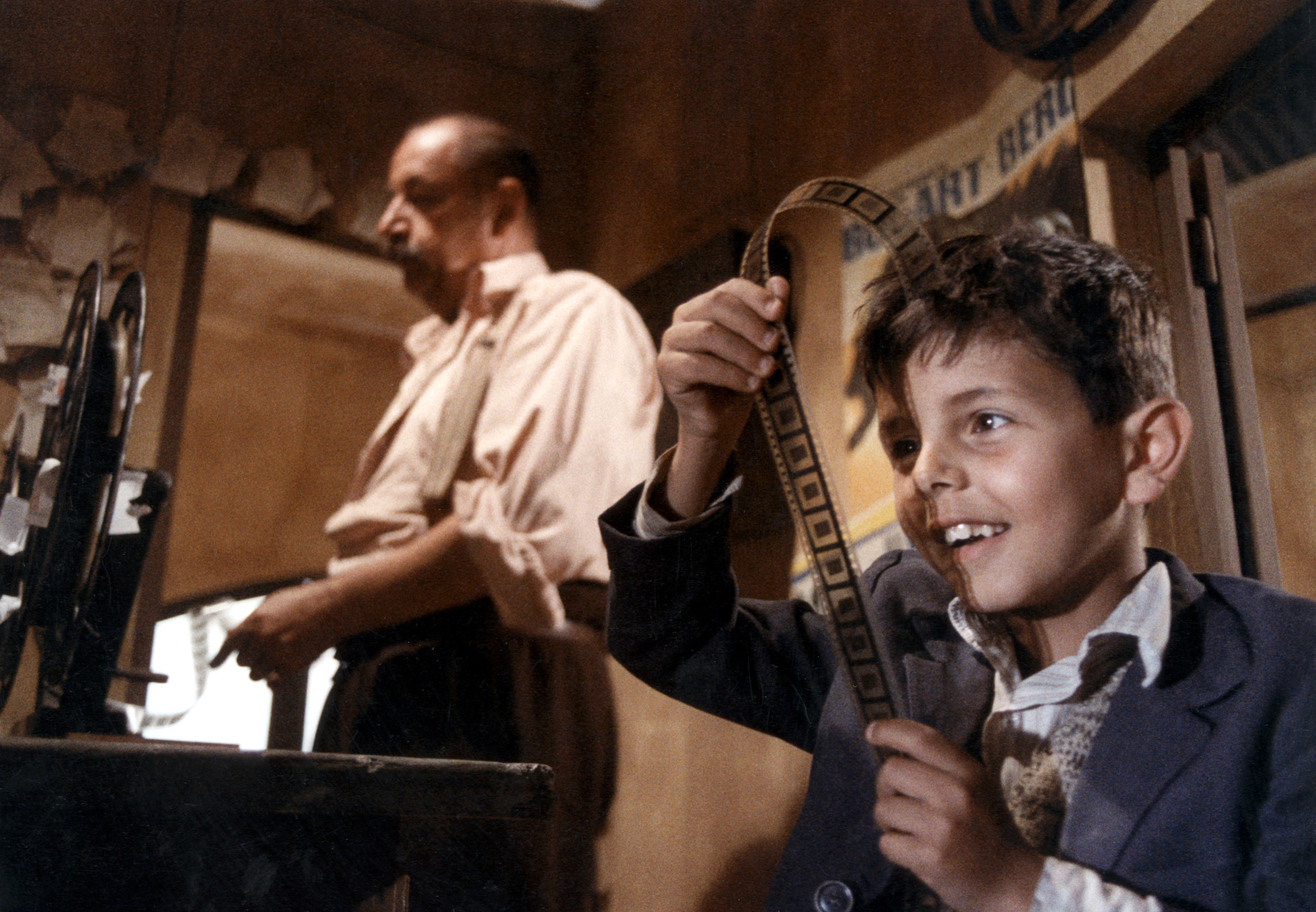
⭐⭐⭐⭐⭐
174 minutes ‧ PG ‧ 1988
Cast: Philippe Noiret, Enzo Antonella, Attili Cannavale
Director: Giuseppe Tornatore
Genres: Drama, Romance
Some films are good the first time you see them. A rare few get better every time you return to them. Cinema Paradiso is one of those films. I can watch it over and over, and each time it feels richer, warmer, and more moving. It is the kind of movie that stays with you long after it ends, not because it tries too hard, but because it understands something simple and true about memory, love, loss, and the power of movies.
Directed by Giuseppe Tornatore, Cinema Paradiso is more than a film about a boy who loves cinema. It is a film about growing up, leaving home, and carrying your past with you. Set in a small Sicilian town, the story follows Salvatore Di Vita, a successful filmmaker who returns home after learning that Alfredo, the old projectionist from his childhood, has died. That news opens the door to memory, and the film unfolds through Salvatore’s reflections on the life he once had and the man who helped shape him.
The plot is gentle, but it has a deep feeling. As a boy, Salvatore — known as Totò — becomes fascinated by the local movie house. There, he meets Alfredo, the projectionist, who becomes his mentor, friend, and father figure. Through Alfredo, Totò learns not only how films are shown, but also how life can break your heart and still leave room for beauty. As the years pass, the film follows Salvatore through childhood, adolescence, first love, heartbreak, and finally adulthood. It is a story built on memory, and like memory, it feels both joyful and painful at once.
One of the film’s great strengths is the way Salvatore is played by three different actors, each bringing something important to the role.
Salvatore Cascio plays Totò as a child, and he is wonderful. He gives the character curiosity, mischief, and innocence. You believe every look on his face. You see a boy who is completely taken by the magic of the screen, and Cascio makes that love feel pure and real. His scenes with Alfredo are some of the best in the film because they feel so natural.
Marco Leonardi takes over as the teenage Salvatore and adds longing, passion, and restlessness. This part of the story deals with young love and the ache of wanting something just out of reach. Leonardi captures that stage of life well. He shows us a Salvatore who is no longer just a boy enchanted by movies, but a young man trying to understand love, ambition, and what it means to leave everything familiar behind.
Jacques Perrin plays the adult Salvatore with quiet sadness and restraint. He does not need many big moments to make an impact. His performance carries the weight of a man who has achieved success but still feels the pull of unfinished emotions. By the time he returns home, Perrin lets you see how much time has passed and how much of the old Salvatore still remains beneath the surface.
Then there is Philippe Noiret as Alfredo, the soul of the film. Noiret gives a performance full of warmth, humor, wisdom, and heartbreak. Alfredo could have been written as a simple, wise old mentor, but Noiret makes him feel fully human. He is tough, funny, caring, and at times painfully honest. His bond with Totò is the emotional center of Cinema Paradiso.
The film also carries an emotional richness that comes from its love of cinema itself. This is not just a movie that uses film as a backdrop. It understands what the theater meant to a town, what the screen meant to a lonely child, and what movies can mean to all of us. Cinema Paradiso is a love letter to the communal magic of moviegoing, to the people behind the projector, and to the memories tied to what we watch.
For those who have never seen this film, please do. It is a must-watch because it gives you something rare: a story that feels personal even if it is not your story. It reminds you why movies matter. It makes you smile, and it may very well make you cry. Most of all, it stays with you. And every time you watch it again, it gets better.
Copyright ©️2026 by Frank Gaimari















































































)
)