
 Frank Gaimari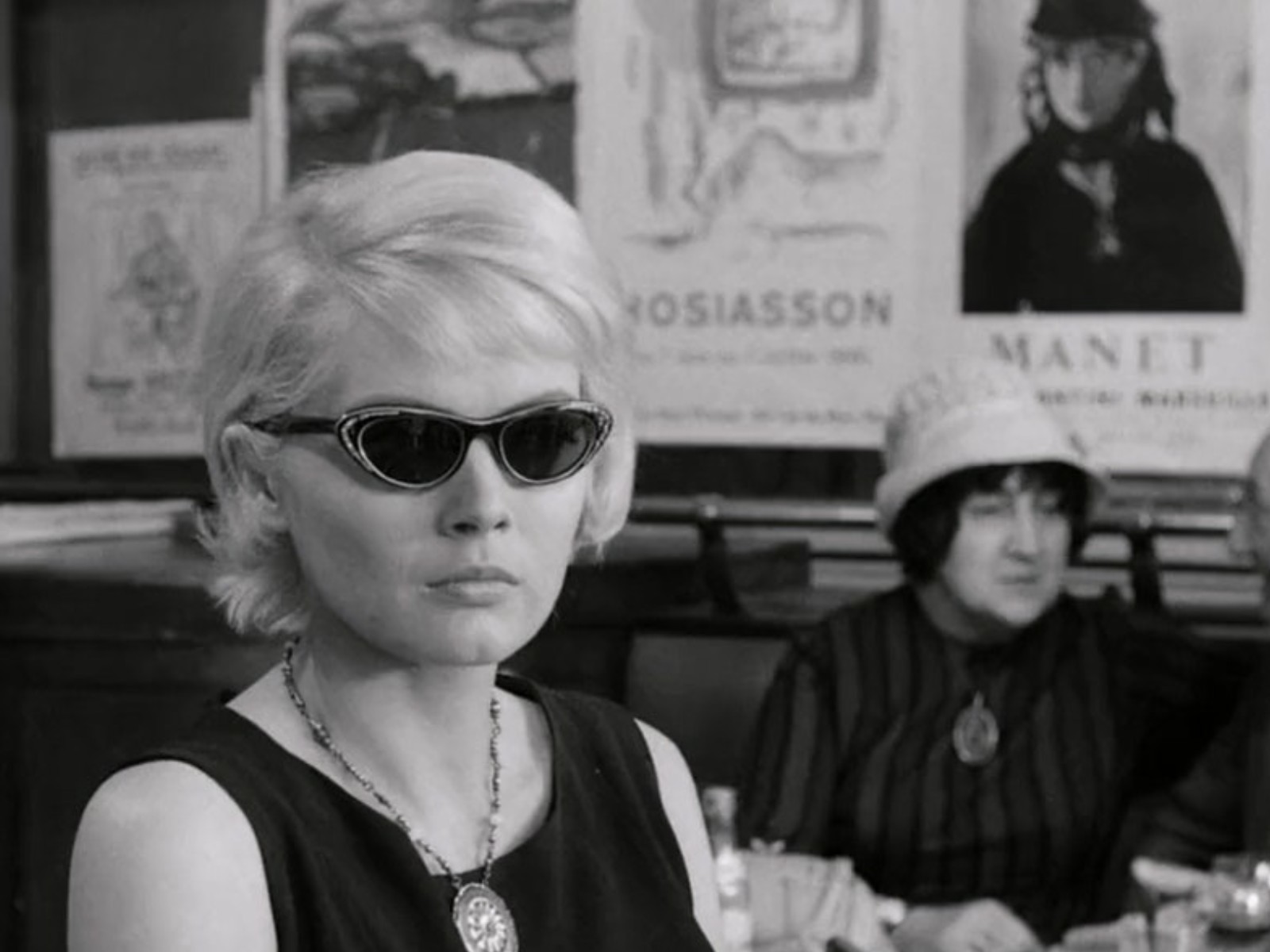
⭐⭐⭐⭐
90 minutes ‧ Unrated ‧ 1962
Cast: Corinne Marchand, Antoine Bourseiller, Dominique Davray
Director: Agnès Varda
Genres: Comedy, Drama
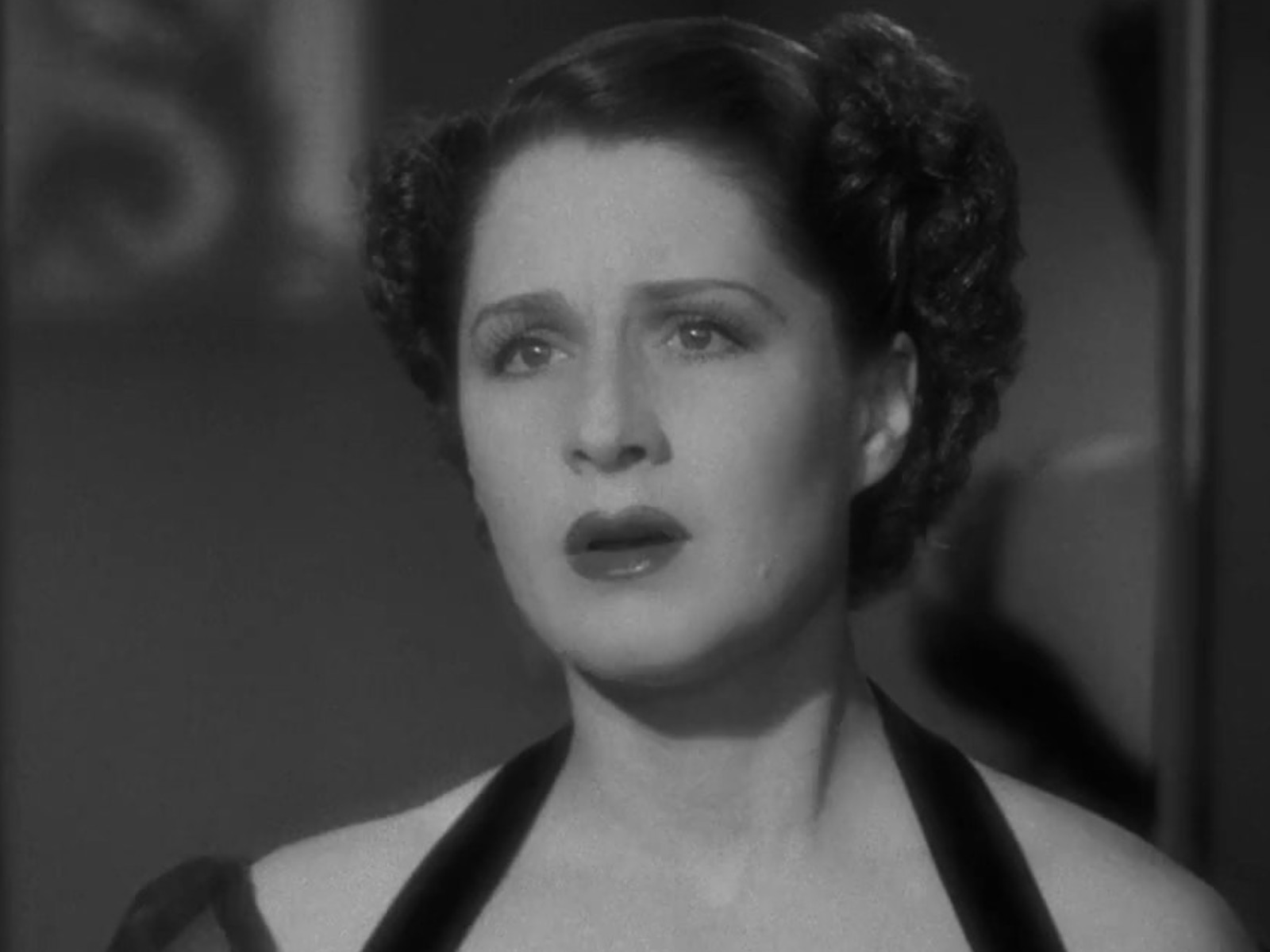
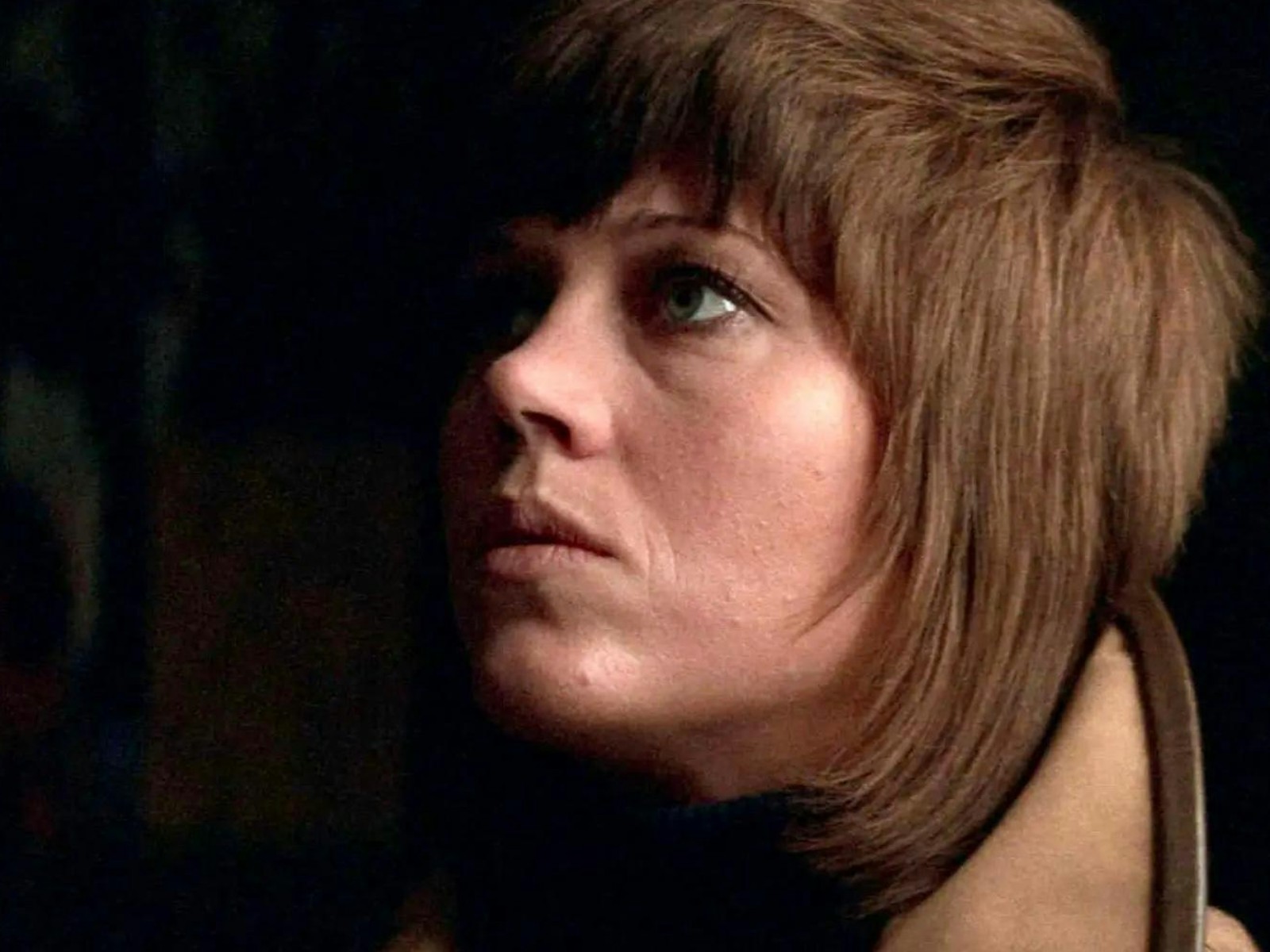
Agnès Varda’s Cléo from 5 to 7 is a beautiful film that captures the heart of the French New Wave while telling a simple and touching story. Released in 1962, the movie is about life, fear, and time, all set in the lively streets of Paris. The story unfolds in real-time, following Cléo Victoire, a young singer played by Corinne Marchand, as she waits for the results of a medical test that might confirm she has cancer. Over two hours, we see Cléo grapple with her worries, relationships, and thoughts. From a tense tarot card reading to short but meaningful talks with friends, lovers, and strangers, her journey feels personal yet easy to relate to. The story ends with a quiet yet powerful moment when Cléo meets Antoine, a soldier on leave, who helps her face her fears with newfound calm and strength.
Agnès Varda, often called the “Grandmother of the French New Wave,” brings a fresh and caring touch to this film. Her way of telling the story feels real and honest, mixing everyday life with moments of beauty. By showing the story in real time, Varda draws the audience into Cléo’s world, making every look, word, and silence feel important. Varda’s focus on women and their struggles is clear, as she explores themes like beauty, self-doubt, and the pressures women face, all in a way that feels natural. Corinne Marchand is amazing as Cléo. She shows the character’s fears, selfishness, and growth in a way that feels real. While her looks are striking, it’s her ability to convey Cléo’s emotions and transformations that makes her performance unforgettable. She makes Cléo’s worries and hopes feel real, pulling the audience into her story.
Paris itself feels like another character in the film, its streets and cafés matching Cléo’s changing moods. Varda’s camera shows the city with love, capturing its energy and surprises. From the busy Le Dôme Café to the peaceful Parc Montsouris, the city reflects Cléo’s ups and downs. The black-and-white filming, led by Jean Rabier, lends the movie a classic, simple look. The use of light and shadow not only makes the film look beautiful but also shows Cléo’s inner struggles — her fear and hope, her pride and softness. The way light is used, often shining on Cléo in a way that feels both lonely and revealing, makes it seem like the city itself is watching her.
Cléo from 5 to 7 was loved by critics upon its release, earning a Palme d’Or nomination at the 1962 Cannes Film Festival and winning Best Film at the 1963 French Critics’ Awards. Over time, its importance has only grown, and it is now seen as one of the best films ever made. In the 2022 Sight & Sound Critics’ Poll, it ranked 14th, showing how much it still matters today. This is a film that stays with you after it’s over. It’s a mix of simple storytelling and deep feelings, a story that feels personal and easy to connect with. Varda’s direction, Marchand’s acting, and the lively Paris setting come together to make something truly special. It’s a film about life, death, and the moments in between, told with care, warmth, and a human touch.
Copyright ©️2026 by Frank Gaimari








































































)
)