 Frank Gaimari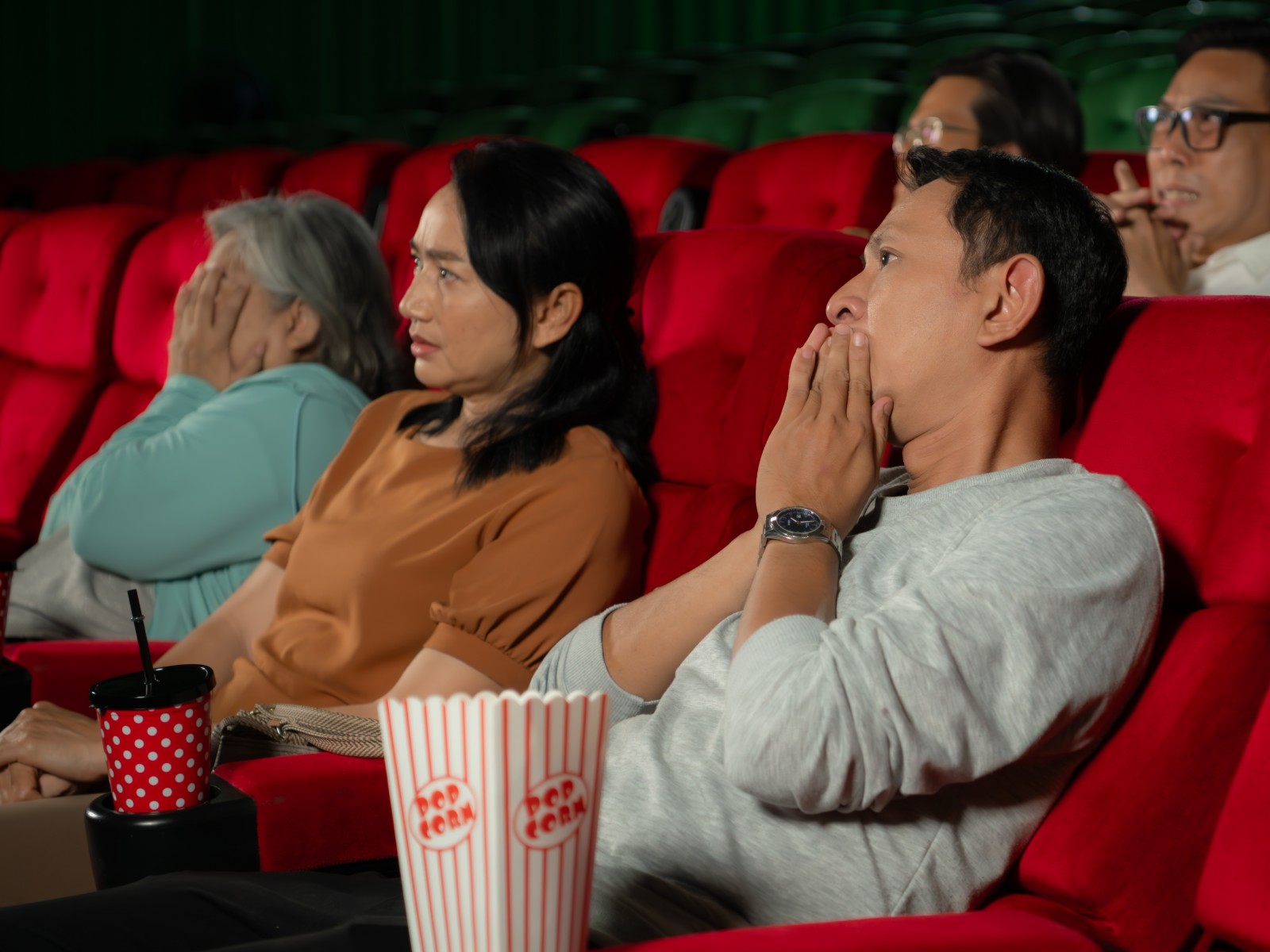
Something quiet has gone wrong at the movies. There’s no scandal, no catastrophe — just a slow, unsettling emptiness in theaters. More and more people are choosing to stay home because today’s films have lost their sense of wonder, surprise, and even their magic. It wasn’t always like this. Fifteen years ago, movies felt alive — directors like Paul Thomas Anderson, Alfonso Cuarón, and Kathryn Bigelow crafted bold, daring films that demanded your attention and made you feel something real. But now, something has shifted. This isn’t just about changing tastes; it’s about the soul of filmmaking itself.
The first problem starts with money. Hollywood has gradually stopped investing in the kind of films that foster true artistic risk — those mid-budget originals, the $20 to $60 million dramas and thrillers that once fueled innovation. Instead, the industry is flooded with sequels, reboots, and sprawling franchises, driven not by artistically brave creators but by corporate meetings and market strategies. When studios stop funding films that allow directors to experiment, they stop nurturing the next wave of great filmmakers.

The second issue is writing. When studios greenlight projects based on star power or brand recognition rather than a strong script, it signals that storytelling no longer holds the importance it once did. As a result, writers are less willing to take risks, push boundaries, or craft something truly original. Instead, what we get are films that are polished and expensive but ultimately forgettable.

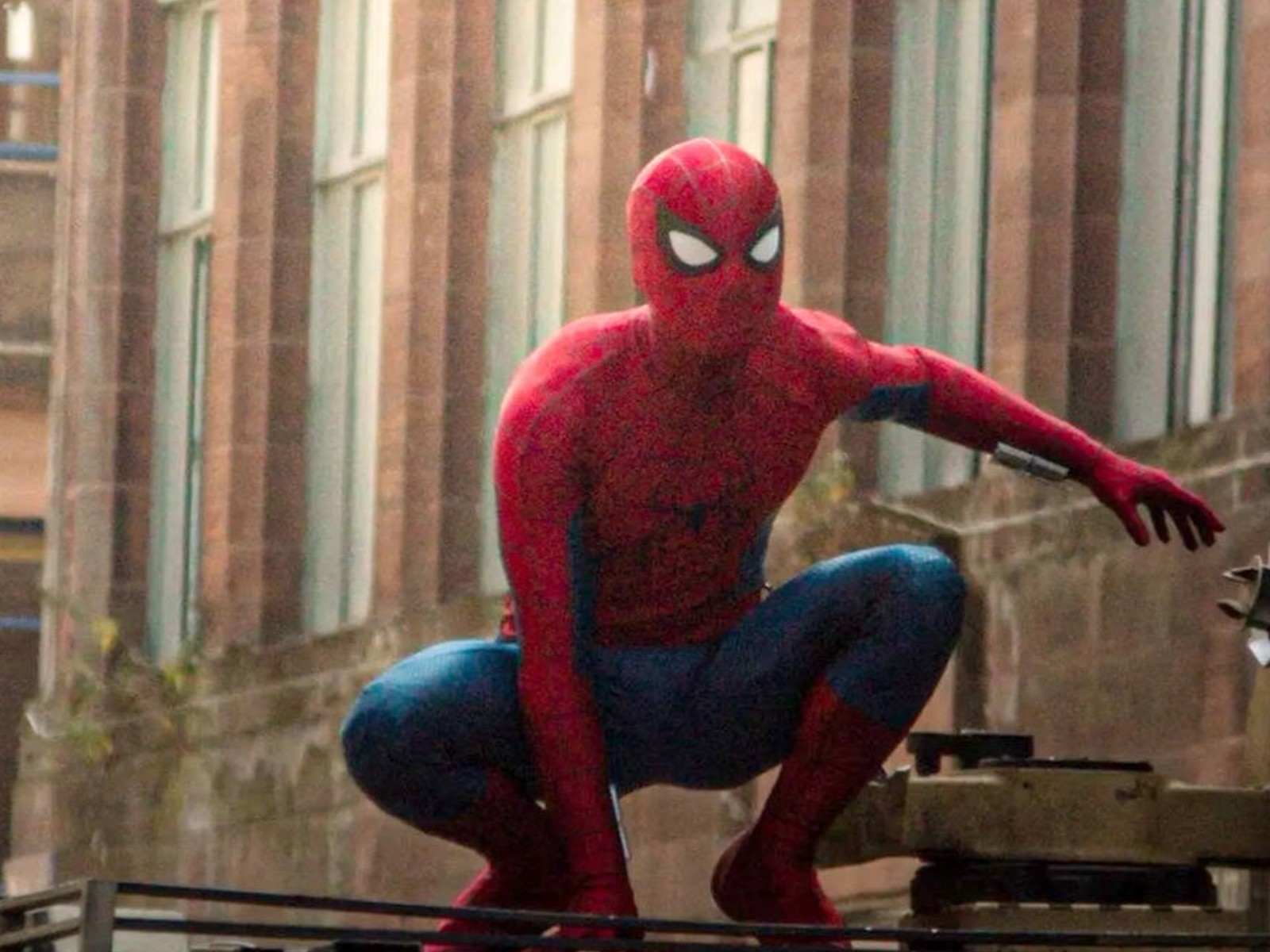
The franchise idea was supposed to be a gift — beloved characters, expansive worlds, and stories that rewarded loyal fans. For a while, it worked, and the early Marvel films were fun, even great. However, the idea has spread too far. What started as a smart strategy became a crutch and then a trap. Studios now lean so heavily on famous names and known stories that they’re afraid to back anything new.
This situation is even more frustrating as Hollywood raises movie ticket prices. According to Deadline, the average ticket cost in 2025 reached $13.29, a 5.7% increase from 2024, with premium tickets costing about $17.69. When you include drinks, popcorn, and parking, a night at the movies can easily cost over $55 for two, which is quite steep for a film you’re only mildly interested in. Streaming options make staying home more appealing, and if studios continue to provide poor experiences, viewers will likely stay in and save their money.
The films that resonate most often involve taking risks. Get Out was the debut feature of its director, while Parasite was a Korean movie that won Best Picture at the Oscars. Everything Everywhere All at Once, made on a $14 million budget, was helmed by directors primarily known for a short film. All these movies outperformed expectations because they felt innovative and vibrant. When new talent is given real freedom and funding, it doesn’t produce dull work; instead, it creates fresh storytelling approaches.
The solution isn’t overly complex, but it requires courage — courage that Hollywood has gradually lost over the past decade. Embrace new scripts. Hire directors with a distinct, personal vision. Support mid-budget films that can take risks because they don’t need to gross a billion dollars to be deemed successful. Trust creators to explore deeper stories and innovative ideas they haven’t encountered before. Most importantly, remember that movies are meant to inspire awe in viewers, not just to protect brands or sell theme park rides.
Copyright ©️2026 by Frank Gaimari.