
 Frank Gaimari
⭐⭐⭐⭐
98 minutes ‧ R ‧ 1976
Cast: Sissy Spacek, Piper Laurie, Amy Irving
Director: Brian De Palma
Genres: Drama, Horror
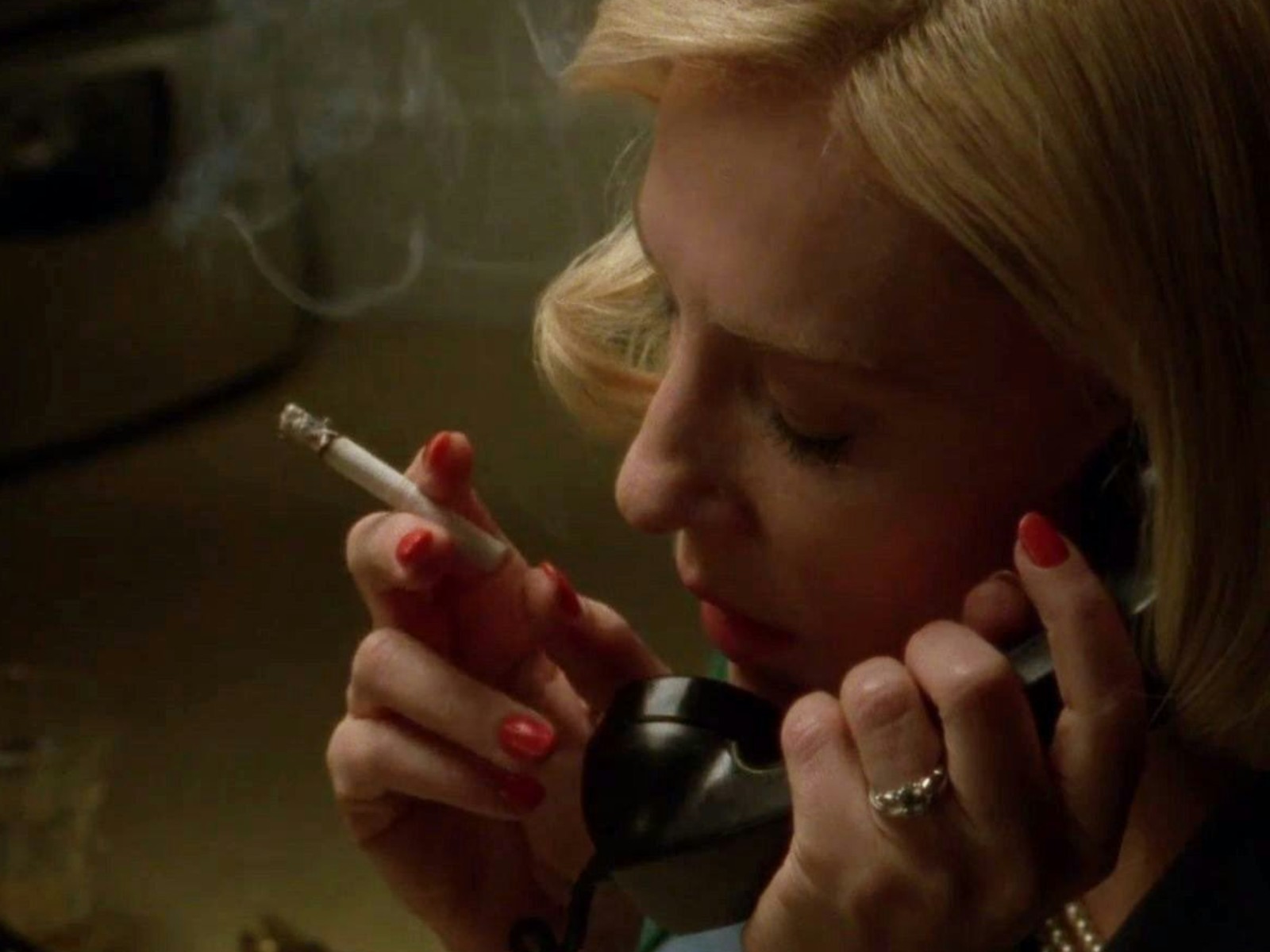
The 1976 adaptation of Stephen King’s Carrie, directed by Brian De Palma, is an unforgettable blend of horror and tragedy that cemented its legacy as a genre-defining masterpiece. With its gripping storyline, striking visuals, and powerhouse performances, the film delivers a chilling exploration of cruelty, repression, and vengeance.
At the heart of the story is Carrie White (Sissy Spacek), a timid and misunderstood high school girl who endures relentless torment from her classmates and oppressive control from her deeply religious mother, Margaret White (Piper Laurie). Carrie’s social struggles come to a head in the girls’ locker room during a traumatically eye-opening moment when she unexpectedly experiences her first menstrual period. Unaware of what’s happening, her desperate reaction is met with cruel mockery from her peers, cementing her role as the school’s outcast.
Carrie’s life takes a sharp turn when she discovers an extraordinary ability — telekinesis. For a brief moment, things seem to improve as she is invited to the prom by the kind and popular Tommy Ross (William Katt), giving her a rare glimmer of hope. However, lurking in the background is a malicious scheme devised by Chris Hargensen (Nancy Allen) and her boyfriend, the reckless Billy Nolan (John Travolta). Their humiliating prank, involving a bucket of pig’s blood, sets off a chain of events at prom that unleashes Carrie’s full wrath. The disaster that ensues leaves devastation in its wake, leading Carrie to return home for a final, tragic confrontation with her mother. This climactic scene is unforgettable, filled with raw emotion, symbolism, and terror.
The film thrives on the stunning performances offered by its two leading ladies. Sissy Spacek is mesmerizing as Carrie White, capturing the character’s fragile innocence while also revealing the depth of her pain and inner strength. Spacek’s ability to transition from a shy, almost childlike teenager to a vengeful force of nature is remarkable. Her nuanced performance elevates the character beyond the screen, making her plight deeply personal for the audience. Little wonder her portrayal earned an Academy Award nomination—rare recognition for a horror film at the time.
Piper Laurie’s portrayal of Margaret White adds another layer of intensity to the film. Her character, a fanatically devout and unrelentingly controlling mother, becomes the source of much of Carrie’s suffering. Laurie masterfully brings out Margaret’s twisted love and zealous paranoia, delivering moments of quiet menace that explode into furious tirades. The dynamic between Laurie and Spacek is magnetic, culminating in the tensely charged final act that leaves an indelible impression. Piper’s performance also earned an Academy Award nomination.
Brian De Palma’s directorial choices elevate Carrie into a work of art. The infamous slow-motion and split-screen techniques during the chaos at prom are masterfully executed, allowing viewers to experience the full scope of Carrie’s fury and the destruction it causes. De Palma’s ability to build suspense — juxtaposing quiet, almost tender moments with bursts of shocking violence — creates a lingering tension that keeps the audience on edge.
The film goes beyond simple horror by weaving in themes of alienation, cruelty, and the deep-seated desire for acceptance. These human struggles root the supernatural elements in reality, making the story as poignant as it is terrifying. De Palma also imbues the film with striking and memorable symbolism, particularly in Margaret White’s death, which blends religious iconography with horror in an equally beautiful and unsettling way.
Many adaptations of Stephen King’s works have struggled to capture the essence of his storytelling, but Carrie succeeds brilliantly. Brian De Palma’s vision, supported by the outstanding performances of Sissy Spacek and Piper Laurie, not only did justice to King’s novel but also expanded on its themes in ways that resonated with viewers.
Carrie is a rare horror film that artfully balances character depth, suspense, and visceral terror. Its influence on the genre is undeniable, and its cultural impact continues to be felt. Whether it’s the unforgettable prom scene or the emotionally charged mother-daughter relationship at its core, Carrie remains a timeless piece of cinema. Decades later, it deserves to be celebrated as a great horror film and a truly iconic movie.
Copyright ©️2025 by Frank Gaimari
































































)
)