
by Frank gaimari
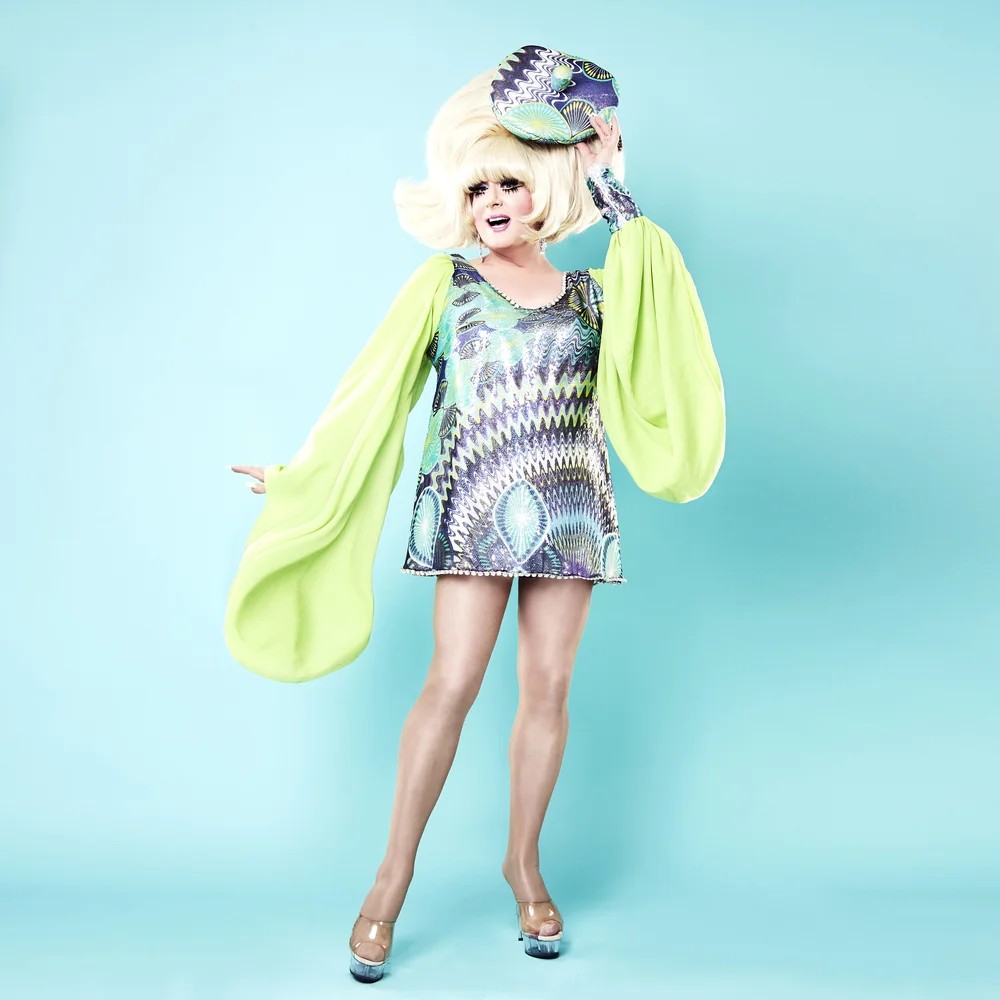
Lady Bunny is a name synonymous with the glittering, unapologetic world of drag. With her towering blonde wigs, double-stacked lashes, and razor-sharp humor, she has been a force in the drag scene for decades. But this legendary performer isn’t just a drag queen — she’s a comedian, DJ, and cultural trailblazer who has helped shape LGBTQ+ history and nightlife as we know it. She’s living proof that drag is more than just sequins and sass — it’s artistry, activism, and a celebration of individuality.
Born Jon Ingle in Chattanooga, Tennessee, Lady Bunny’s journey into drag began in Atlanta, where she shared an apartment with none other than RuPaul. Yes, that RuPaul. The two future icons cut their teeth in the Southern drag scene, performing in clubs and honing their craft before she made her way to Manhattan in the early 1980s. New York City’s gritty, electric club scene became her stage, and her larger-than-life persona made her a standout. She wasn’t just the life of the party — she was the party.
One of her most enduring contributions to queer culture is Wigstock, the outdoor drag festival she co-founded in 1984. For nearly 20 years, Wigstock transformed New York City into a queer utopia every Labor Day, drawing thousands of attendees and featuring performances by underground legends and mainstream stars like Debbie Harry, Boy George, and Neil Patrick Harris. Wigstock wasn’t just a festival; it was a lifeline for the LGBTQ+ community — a space to celebrate openly and unapologetically.
Beyond Wigstock, her one-woman shows have become legendary. With cheeky titles like Trans-Jester and Cuntageous, her performances are a whirlwind of rapid-fire jokes, biting social commentary, and hilarious pop-song parodies, all delivered in her signature Southern drawl. The New York Times once described her shows as making audiences “weep with laughter while groaning with disgust,” a testament to her unique blend of high camp and low comedy. Her humor is outrageous, unfiltered, and unapologetically risqué — but it’s also clever, timely, and packed with heart.
And then there’s her DJ career. Lady Bunny has spun at some of the world’s most iconic venues, from the Eiffel Tower to the Paris Opera Garnier. Her sets are renowned for their infectious energy, often featuring impromptu lip-sync performances that turn any event into an unforgettable experience. Whether she’s headlining a Pride event or DJing a chic corporate party, she knows how to get a crowd moving.
Her influence doesn’t stop there. She has left her mark on film, television, and even the art world. Lady Bunny starred in the HBO documentary Wig, chronicling the history and revival of Wigstock, and appeared as the “Dean of Drag” on RuPaul’s Drag U. She also had a memorable role in the 2008 comedy Another Gay Sequel: Gays Gone Wild, further cementing her status as a queer cultural icon. Her striking, cartoonish glamour has graced the pages of Vogue and V Magazine, and she’s collaborated with legends like Andy Warhol and Mario Testino. Oh, and her music? It’s even charted on Billboard.
Her career is a testament to fearless self-expression. She has paved the way for today’s drag artists, proving you can be smart, successful, and completely outrageous all at once. Her humor is filthy, her look is over the top, and her politics are unapologetically in your face.
Frank Gaimari: What inspired you to start your journey in drag?
Lady Bunny: My journey into drag began with my first-grade school play, but the inspiration had taken root long before that, thanks to Barbara Eden in I Dream of Jeannie. I absolutely adored her — there was something about her glamorous, slightly over-the-top aesthetic that completely captivated me. So, when the school play came around, dressed in the harem outfit my mother made me, I jumped at the chance to channel Barbara Eden’s iconic look with makeup. I’m pretty sure that was the spark that set me on this path.
As I grew up, my identity became deeply tied to my hair. While most people saw it as a fashion statement, for me, it was something more. It made me feel connected to myself. When I was feeling alone or underappreciated, my hair became a source of recognition. I had this Kristy McNichol-inspired haircut — parted down the middle and layered on the sides — and people would constantly stop me to ask where I got it done. I’d always reply, “It’s not the cut, it’s the hair!” Those little moments of acknowledgment meant so much to me. They made me feel seen and appreciated in a way I hadn’t experienced before.
Later, when I went to school in England from 1978 to 1980, I found myself immersed in the new wave scene. Androgynous icons like Adam Ant were everywhere, and I was completely drawn to that world. It felt like a natural extension of who I was — bold, expressive, and unapologetically unique. That time in my life helped solidify my sense of self and my love for creative expression.
FG: How did your early days with RuPaul influence your career?
LB: I remember early in my drag journey, Ru put me in a Boy George-inspired drag look for a competition. That look earned me third place and $50 — a small but meaningful milestone I’ll always remember. Looking back, I realize it wasn’t just Ru’s sense of style that influenced me, but also his relentless drive and ambition. He had a fearless “go-get-them” attitude, fueled by courage and determination.
Ru was charismatic, stunningly gorgeous, and had this undeniable magnetism that drew people in. Like me, he never saw the traditional nine-to-five life as his path, and that shared mindset created a strong connection between us.
FG: What was the most memorable moment from Wigstock?
LB: One of the most unforgettable moments from Wigstock was Leigh Bowery’s jaw-dropping performance, where he gave birth to his actual wife. Yes, you heard that right — his wife was hidden inside an elaborate, oversized costume. He strutted onto the stage, lowered himself to the floor, lifted his legs, and out she emerged — attached with a sausage as an umbilical cord, accompanied by some fluids for dramatic flair, all set to a Beatles song. It was outrageous, memorable, and quintessential Leigh Bowery.
He was truly one of a kind. He was the ultimate club kid, an exhibitionist, and a performance artist like no other. Originally from Australia, he gained fame in the UK and left an indelible mark on the art and club scenes. There was really nothing like him, and that performance at Wigstock was a perfect example of his genius.
FG: How do you balance humor with social commentary in your performances?
LB: Balancing humor with social commentary is all about authenticity and pushing boundaries. There’s a lot of discussion about how comedians should “punch down” or “punch up,” but honestly, for comedians trying to make a living, the goal is simple: you punch wherever you can to get laughs. The more laughs you get, the more gigs you book, and the more money you make. That’s the reality of the job. I’m not a fan of political correctness — it’s full of contradictions and often doesn’t make sense in practice.
Take, for example, the term “Latinx.” A few years ago, we were told to use it instead of Latina or Latino to avoid gender constructs. But here’s the thing: surveys show that over 90% of Latinos don’t like the term. So, as a white drag queen, am I supposed to approach Latino people — who are such a vital part of New York City’s club culture — and use a term they don’t even identify with? Get real! Political correctness often feels like it’s more about appearances than actual connection.
For me, the funniest moments are often the ones we’re not supposed to laugh at, and I embrace that fully. My shows have been described as the kind where you feel guilty for laughing — and I absolutely love that. I enjoy pushing boundaries and tackling the kinds of topics I’d joke about with my friends. That’s just who I am.
I’m always upfront with what my shows entail. I make it clear in the ticket link: this is not a politically correct show. It’s dirty, it’s inappropriate, and if you’re prudish, this isn’t the show for you. I don’t believe in forcing my humor on anyone who isn’t ready for it.
FG: What has been your most challenging role in film or TV?
LB: The most challenging role I’ve ever taken on was about four years ago for an independent film called Playland. The film explored the decline of a gay club in Boston that operated from the 1940s through the 1990s. It was an experimental film, and while the project itself was fascinating, one part really pushed me to my limits: I had to lip sync to an opera song in German.
Let me tell you, that was no easy feat. The filmmakers were incredibly thoughtful and even hired an operatic singing coach to help me nail the breathing and timing. But the words? Oh, the words! I mean, I can barely remember my own lyrics sometimes, so trying to lip-sync in German was a whole new level of challenge.
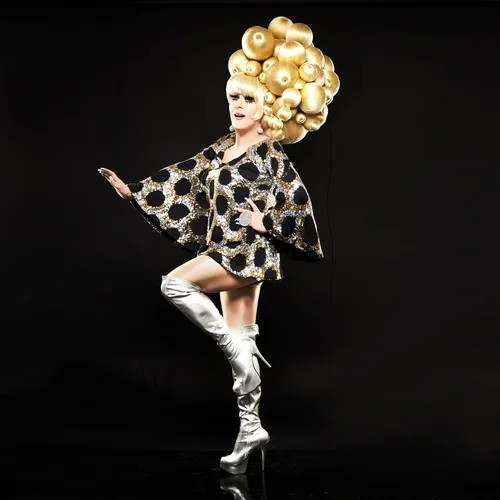
FG: How do you see the future of drag evolving?
LB: The future of drag is evolving, but let’s be real — Drag Race has had a huge impact, for better or worse. Sure, the queens on the show are polished, creative, and look incredible, but sometimes it feels like that’s where it stops. You can come out in a stunning outfit, with flawless makeup and hair, and I’ll cheer for that — but you’ve got five more minutes, bitch. What else are you bringing?
A lot of Drag Race queens seem to be cast more for their personal drama than their talent. It’s reality TV, and reality TV isn’t real. The sob stories can feel overproduced, and the editing is so heavy-handed it’s almost laughable. Like, when Ru meets the cast in the first episode, they’re acting so over-the-top thrilled, you know, some producer told them to crank it up. It’s entertaining, sure, but it’s not the whole world of drag.
There are so many incredible performers outside of the Drag Race machine. Dina Martina from Seattle is hilarious. Alex Newell, who was on Glee, is killing it on Broadway every season. And then there’s stuff like Oh Mary in NYC — maybe not traditional drag, but it’s smart, funny, and so good. That’s the kind of drag that excites me — drag that’s more than just a look or a sob story. It’s about being a true entertainer.
FG: What’s one thing about you that fans might not know?
LB: I’m not a bitch! There’s a misconception that I am because of my jokes and my honest takes on politics, but I’m actually very polite. Out of drag, I wouldn’t say I’m shy, but I’m a lot less outgoing. The truth is, the things I can get away with in drag are pretty wild. Demanding free drinks? Totally fine. But walking into a club out of drag and fondling the go-go boys? Yeah, that’s not going to happen. Drag gives me the freedom to do things I could never get away with otherwise.
FG: How do you stay relevant in an ever-evolving entertainment industry?
LB: Staying relevant in an ever-evolving entertainment industry is all about adapting and knowing your audience. For me, parodies are a big part of that — taking popular songs, rewriting the lyrics, and making them funny or relatable. As a DJ, I stay on top of what’s trending, which helps me connect with younger audiences. The key to a great parody is that people need to know the original song, so I make sure to stay current with what’s popular. That way, younger folks get the joke, even if it might go over the heads of some older audiences.
I also tailor my act depending on where I’m performing. If I’m in Palm Springs, the vibe might be different than at a young, hip dance party in Brooklyn. Sometimes I’m performing at a Pride event where families bring their kids, so I adjust my material accordingly — maybe warn parents to take a break if they don’t want their kids hearing certain jokes. It’s all about reading the room and making sure the act fits the crowd.
The other big thing is keeping your material fresh and putting yourself out there. You have to stay visible — whether that’s through interviews, group shows, or just staying active in the scene. If people stop asking you to be part of things, that’s a sign you’re slipping. So, I keep updating my stuff, staying connected, and making sure I’m still doing it — and doing it well.
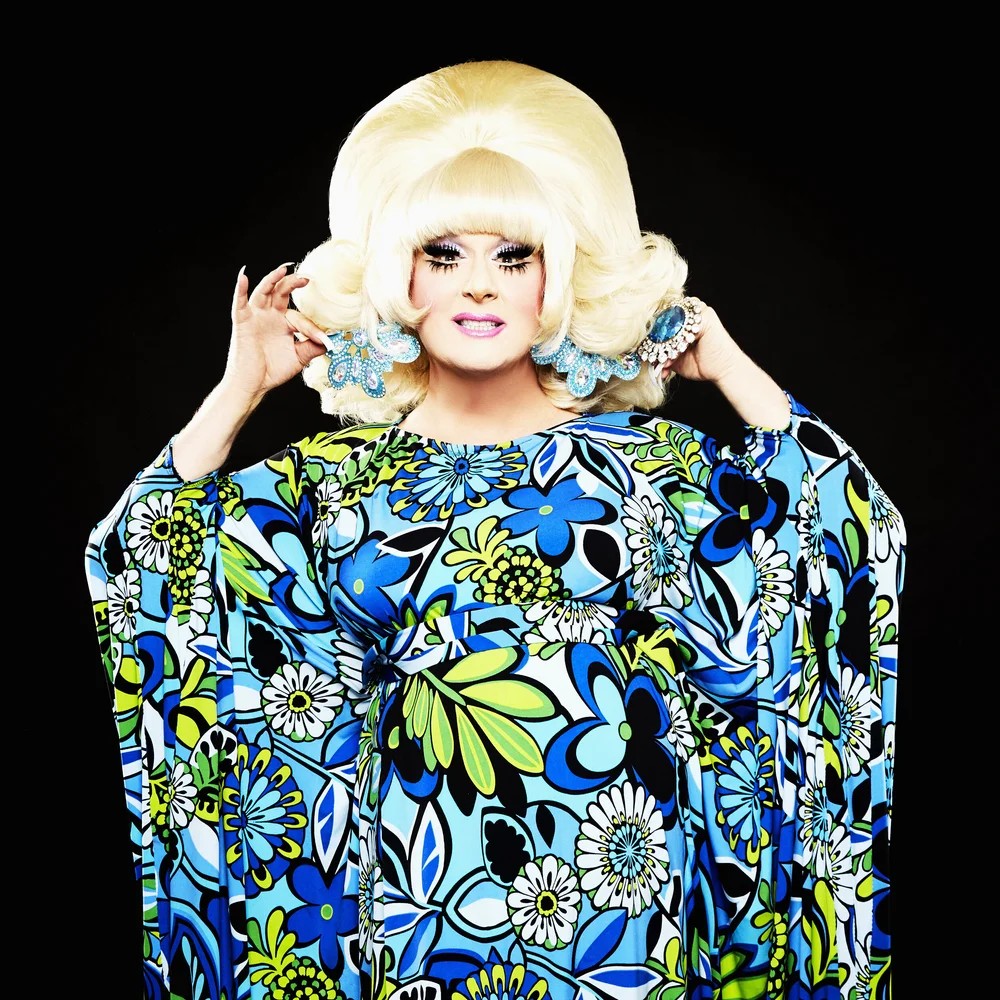
Lady Bunny’s legacy is all about pushing boundaries and celebrating fearless individuality. She has shown everyone that drag isn’t just a performance — it’s also a form of protest, a way to build community, and a joyful celebration of life in all its sparkling, outrageous glory. Because of her wild spirit and unstoppable drive, both the drag world and queer culture shine a little brighter.
Lady Bunny is currently touring comedy clubs across the country with her hilarious and unapologetically outrageous shows. Her latest tour includes the highly anticipated “Bunny Butchers Broadway” and the delightfully risqué “Don’t Bring the Kids.” For tickets and more information, visit her official website: https://www.ladybunny.net/.
Copyright ©️2026 by Frank Gaimari
Frank Gaimari is an author and film reviewer in Seattle, where he lives with his husband and their two golden retrievers. You can learn more about his work at http://www.FrankGaimari.com.
 FRANK'S FILM REVIEW