
by Frank Gaimari
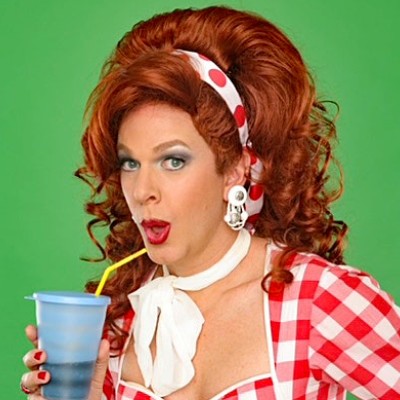
Kris Andersson is a name that might not immediately ring a bell, but his alter ego, Dixie Longate, has been making waves in theaters worldwide for over two decades. Born on November 29, 1969, in Ohio, Andersson has built a career that is as unique as it is inspiring. With a background in acting and a knack for storytelling, he has transformed a simple idea into a global phenomenon, proving that creativity and resilience can take you anywhere.
Before Dixie came to life, Andersson was a film and TV actor in Los Angeles, with roles in major productions like Titanic and Scream 2. But his career took an unexpected turn in 2001 when a roommate hosted a Tupperware party. What started as a humorous observation about the world of food storage quickly evolved into a theatrical masterpiece. Andersson created Dixie Longate, a brash, hilarious, and empowering character who uses humor and charm to sell Tupperware while delivering messages of self-worth and strength.
Dixie Longate is more than just a character; she’s a force of nature. Drawing inspiration from Brownie Wise, the trailblazing woman who revolutionized Tupperware sales in the 1950s, Dixie’s story resonates with audiences from all walks of life. Through her performances, Andersson weaves humor with heartfelt moments, encouraging people to embrace their individuality and find strength in their own stories.
Since its debut at the 2004 New York International Fringe Festival, Dixie’s Tupperware Party has become a beloved staple in theaters across the globe. The show has grossed millions, sold hundreds of thousands of tickets, and earned Andersson a loyal fanbase. But beyond the numbers, it’s the personal connections that make the show special. Dixie’s ability to connect with her audience, both on and off stage, has created a community of fans who see themselves in her story.
Offstage, Andersson is a thoughtful and introspective artist who values authenticity. As an openly gay performer, he has used his platform to challenge stereotypes and celebrate individuality. His journey from a small-town upbringing to international success is a testament to his creativity, determination, and ability to turn life’s unexpected moments into opportunities.
Frank Gaimari: What inspired you to create Dixie Longate, and how has she evolved over the years?
Kris Andersson: I started selling Tupperware 25 years ago, just trying to make a little extra cash between entertainment jobs. Back then, it was all about filling the gaps and staying afloat. Then, one day, a friend dared me to try selling in drag. It was one of those moments where you think, “Why not?” So, I decided to give it a shot. I thought I’d have a few parties, make some money, and then move on. I had no idea that Dixie would take on a life of her own and completely change my life.
From the start, Dixie was this good Southern gal — charming, relatable, and full of personality. Over the years, she’s grown and evolved. She’s a little more polished now, and let’s be honest, a little feistier too. But at her core, she’s always been about empowerment. I wanted her to be someone who lifts people up, makes them laugh, and leaves them feeling better about themselves. I never wanted her to be mean-spirited or cynical. Dixie is all about joy, positivity, and just the right amount of sass.
It’s been an incredible journey watching her grow and connect with so many people. I’m constantly amazed at how much she’s become a part of my life. What started as a dare turned into something I never could’ve imagined, and I’m so grateful for it.
FG: How did your early acting experiences in films shape your approach to theater?
KA: I’ve always done theater, so stepping into Dixie wasn’t all that different from approaching any other character I’ve played. But what’s been truly special about Dixie is the time I’ve had with her. Over the years, I’ve been able to build her out in ways I never could with other roles. Every little nuance, every piece of her backstory — It’s all been carefully crafted, and she’s become the most fully realized character I’ve ever had the chance to play.
What really sets her apart, though, is the audience participation in my shows. Every performance is a little different because I’m constantly interacting with new people, creating moments on the spot, and coming up with stories in real time. It’s this ever-changing dynamic that keeps Dixie fresh and exciting, not just for the audience but for me, too. She’s grown so much over the years, and I think that’s because she’s not just shaped by me — she’s shaped by every person I’ve had the privilege of performing for. It’s been an incredible journey.
FG: What challenges have you faced as an openly gay artist in the entertainment industry?
KA: Honestly, I don’t think being gay has caused many hurdles for me in the industry. Most of the time, it doesn’t even come up. The bigger challenges come from being seen as someone who only does one thing. Many people in the entertainment world tend to associate me with Dixie, and they stop there. This has definitely limited other opportunities for roles and projects where I would be a good fit.
I have loved playing one role for so many years, but I know that at some point, I’ll have to retire Dixie completely and shift gears. Playing Dixie has brought me countless opportunities — I’ve been lucky enough to perform all over the world and write four different shows for her. For 2 1/2 decades, I’ve truly lived in her world. But now, the challenge is getting people to see past the red wig and recognize what else I can do.
FG: What’s the most memorable reaction you’ve received from an audience member during a show?
KA: After 17 years on the road, I feel like I’ve seen it all. One of the most memorable moments was early in my career when a pregnant woman’s water broke suddenly. Another time, a woman laughed so hard that she peed on the couch she was sitting on! I’ve also had several people faint or pass out during shows.
And I can’t forget the three different cities where tornadoes came through while I was performing. That’s a whole other level of chaos! Every show brings something new, and that’s what makes it so exciting. The audience reactions — whether they’re funny, unexpected, or just plain crazy — are what keep me on my toes and make every performance an adventure.
FG: If RuPaul called and asked you to appear on Drag Race, would you say yes?
KA: Honestly, no. I don’t think I’d be a good fit for that show. Those performers are so insanely creative and clever — they’re constantly coming up with these incredible looks and concepts. Dixie, on the other hand, is pretty much one look, and I don’t think I’d do well trying to come up with different hair colors, costumes, and ideas for an entire season to keep people entertained. Plus, I’m a terrible lip-sync performer, so that alone would probably send me packing quickly! It’s such an amazing platform, but I know my strengths, and Drag Race isn’t where I’d shine.
FG: What advice would you give to aspiring playwrights and performers looking to break into the industry?
KA: Honestly, I’d say the best thing you can do is take initiative — do as much as you can on your own or find a group of like-minded, creative people to collaborate with and develop projects together. This is a tough industry to gain traction in, and waiting around for someone to give you an opportunity can feel like an endless uphill battle. But when you create your own work, you’re not just waiting for a door to open — you’re building the door yourself.
Auditioning can be incredibly frustrating because so much of it is out of your control. You can give the best performance of your life, but there are so many variables — your look, your vibe, the timing — that you just can’t influence. When you’re creating your own work, though, you’re in the driver’s seat. You get to shape the vision, push things forward, and make things happen on your terms. And there’s nothing more rewarding than seeing something you’ve poured your heart into come to life. It’s hard work, but it’s worth it.
FG: If you could collaborate with any artist, past or present, who would it be and why?
KA: With so many incredible options, it’s hard to choose just one. Right now, I’d love to work with Kip Williams, the Australian theater director who created the one-person production of The Picture of Dorian Gray on Broadway. I’d love to be part of something like that.
Michael Arden is another director whose work on Broadway is highly inspiring. He has such a unique vision, and everything he touches feels fresh and innovative. And if I ever had the chance to work on a film project with Emerald Fennell, I think I’d feel like I’d died and gone to heaven. Her storytelling is so sharp, bold, and unapologetic — it’s the kind of work that really excites me.
Of course, there are countless actors I’d love to collaborate with, too. Once Dixie officially retires, I believe I’ll have the opportunity to explore many new possibilities and dive into projects that challenge me in fresh ways.
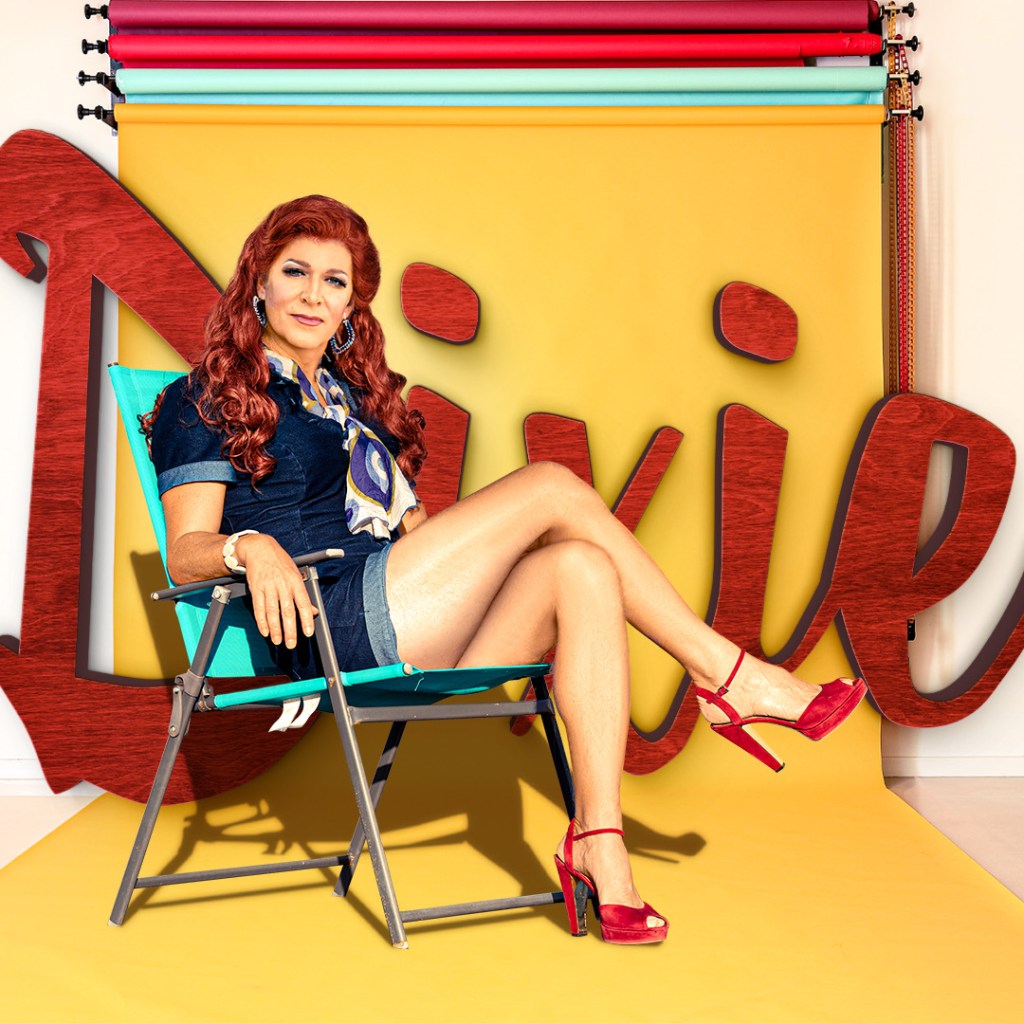
Kris Andersson’s story is one of reinvention, resilience, and the power of laughter. Whether he’s on stage in Dixie’s heels or behind the scenes crafting new projects, Andersson continues to prove that life is what you make of it. And for him, it’s a fabulous, empowering, and hilariously unforgettable journey.
Kris Andersson’s website: https://www.dixielongate.com/
Copyright ©️2026 by Frank Gaimari
Frank Gaimari is an author and film reviewer in Seattle, where he lives with his husband and their two golden retrievers. You can learn more about his work at http://www.FrankGaimari.com.
 FRANK'S FILM REVIEW